Hyperhidrosis in Teenagers: What Parents and Young People Should Know

Hyperhidrosis has a way of making already complicated years harder. For many people excessive sweating begins during adolescence, exactly when fitting in, feeling confident, and not drawing attention seem to matter most. This post is for young people going through it, and for the parents trying to understand and support them.
Why It Often Starts in the Teenage Years
Primary hyperhidrosis usually develops in childhood or adolescence. The exact reason is not fully understood, but the hormonal changes of puberty are thought to influence how the sympathetic nervous system's sweat response develops and intensifies. For many young people the condition has been present in a milder form for years, and adolescence is simply when it starts to interfere with daily life in ways that are hard to ignore.
The Social Reality for Teenagers
School, sport, and socialising all become more stressful with hyperhidrosis: avoiding holding a friend's hand, feeling self-conscious in group activities, worrying about locker rooms, class presentations, or sitting too close to someone. It is easy to dismiss this as ordinary teenage self-consciousness, but for a young person with hyperhidrosis it is not. The worry is specific, the impact is real, and it often leads to quietly withdrawing from situations they would otherwise enjoy. Many carry these habits for years before learning there is a name for the condition and effective ways to treat it.
Treatment Options for Teenagers
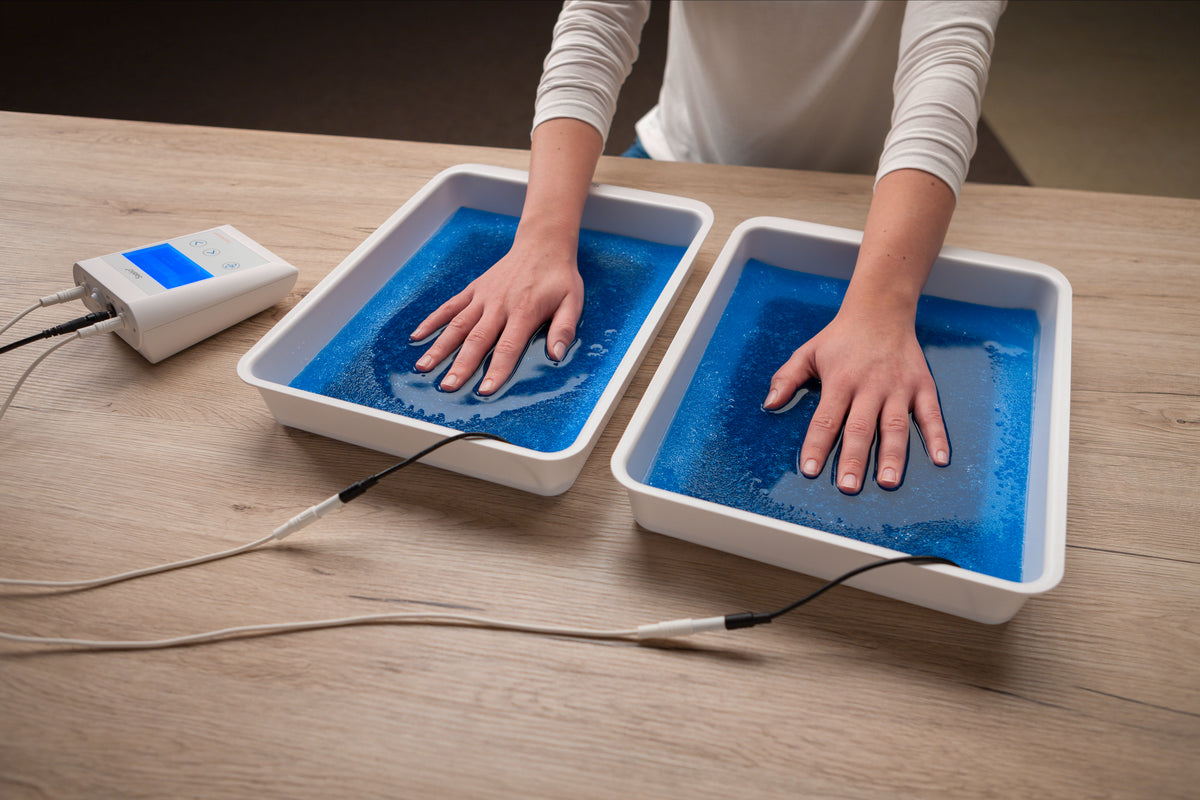
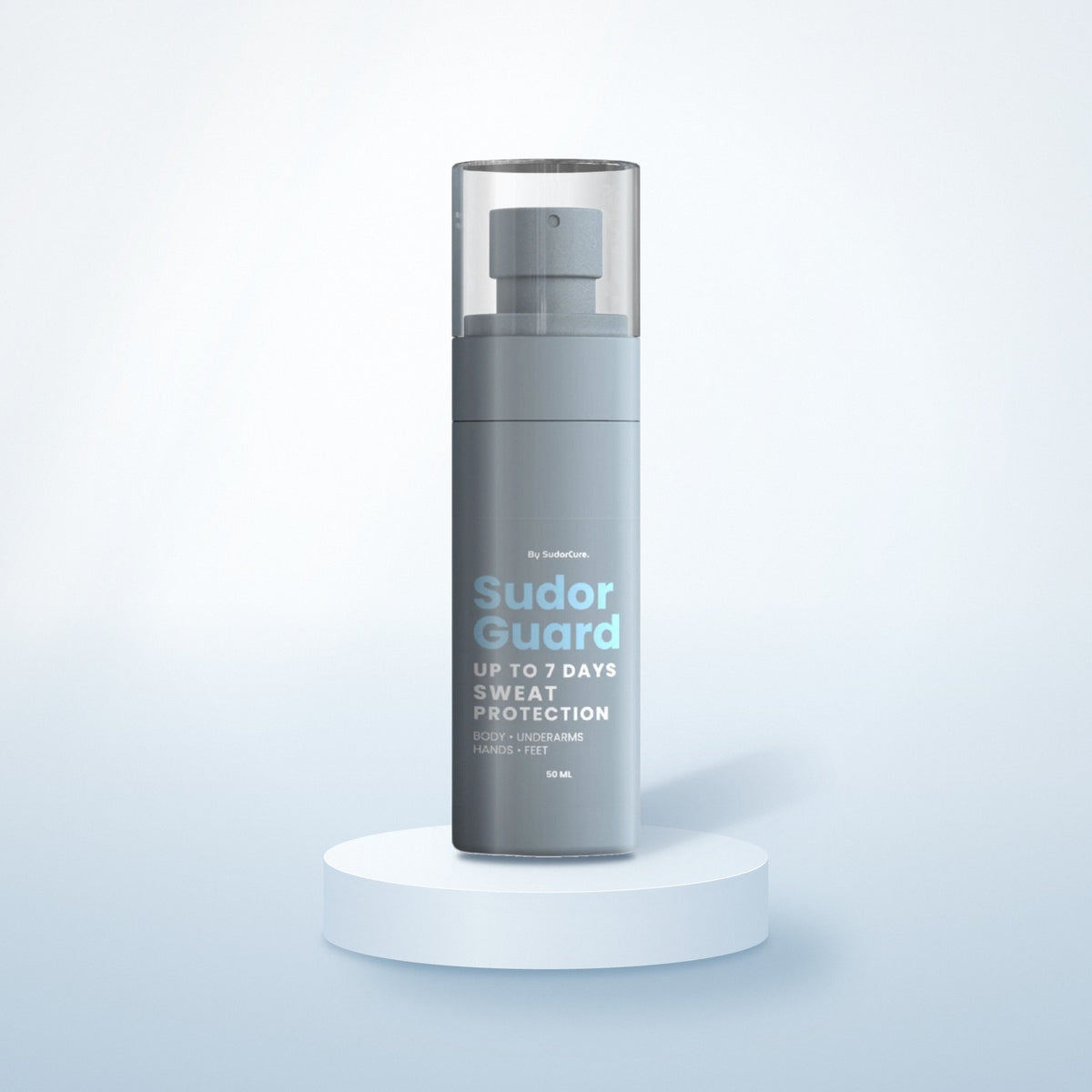
The same options that help adults apply to teenagers, with a few added considerations. A clinical-strength antiperspirant like SudorGuard is a practical starting point for mild underarm sweating, with no specialist equipment involved. Iontophoresis is a well-established option for hands, feet, or underarms, and the Saalio® range covers all three. On age suitability, the Saalio® is intended for hands and feet from age 6 and for underarms from age 12, and the device manual requires that children and adolescents are supervised by an adult during sessions. Current levels for young people should be started lower than for adults and built up gradually as tolerance develops; the phases, frequency, and maintenance are otherwise the same.
Involving a GP
For anyone under 18, involving a GP in the decision is good practice. A GP can confirm the diagnosis, rule out any secondary causes, and help the young person feel supported rather than singled out. You are also welcome to contact us at hello@sudorcure.com, and we are happy to help guide families through the process. If it helps to read about safety first, our is iontophoresis safe guide covers it in detail.
How to Talk About It
If your teenager is dealing with this, acknowledging it without making it a bigger deal than it needs to be tends to help. Let them lead. Some young people want to act straight away; others need time to process. What matters most is that they understand it is a recognised medical condition, that they are not alone, and that effective options exist.
What It Looks Like in Practice
For a teenager starting iontophoresis, the routine is the same as for adults: sessions of at least 15 minutes during the initial phase, done at least every second day with a rest day in between, or daily if the skin tolerates it well. The biggest hurdle is usually building the habit in the first couple of weeks, and parents can help by making the time and setup easy and by treating it as they would any other health routine. Seeing results within the first few weeks tends to be genuinely motivating, and that visible proof often eases the anticipatory anxiety that built up around the condition.
The Longer-Term Picture
For teenagers who start early, the outlook is positive. Building results during adolescence means entering adulthood without the accumulated avoidance habits and anxiety that tend to develop when hyperhidrosis goes untreated for years. The maintenance commitment is modest once results are established, usually one short session a week, and many young people find they can go weeks between sessions as their response builds, which fits easily around school and social life. It is also worth knowing that for some people the condition naturally eases in later adulthood, so starting now is not locked into a lifetime of intensive treatment; it simply means better control during the years it matters most. Handled together as a family, researching and starting treatment can be a genuinely positive shared experience that shows the condition is treatable rather than something to hide. If a family wants to try before committing, the Hire Program makes that straightforward.
References
- Strutton, D. R., et al. (2004). US prevalence of hyperhidrosis. Journal of the American Academy of Dermatology, 51(2), 241 to 248.
- Kamudoni, P., et al. (2017). The impact of hyperhidrosis on patients' daily life and quality of life. Health and Quality of Life Outcomes, 15(1), 121.
- Saalio® User Manual, version R23 (2 April 2026).