Antiperspirant vs Deodorant: What Is the Difference and Which Do You Need?
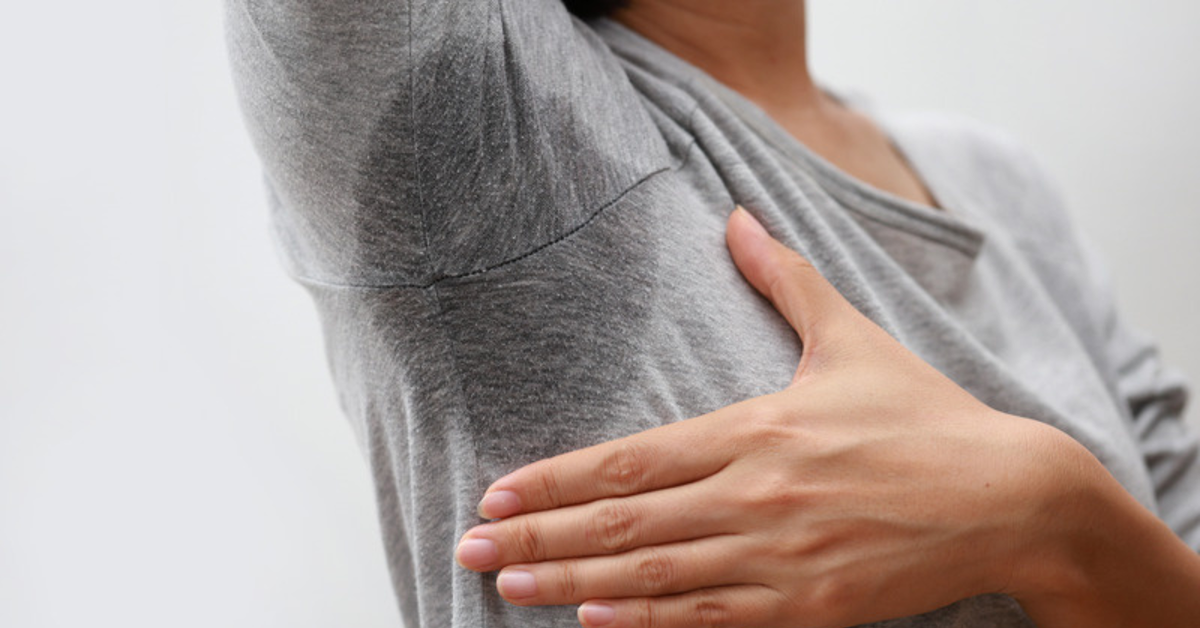
Most people use the words interchangeably, but when it comes to antiperspirant vs deodorant, the two do completely different things. A deodorant deals with smell. An antiperspirant deals with sweat. If you sweat heavily, knowing the difference is the first step to choosing a product that helps.
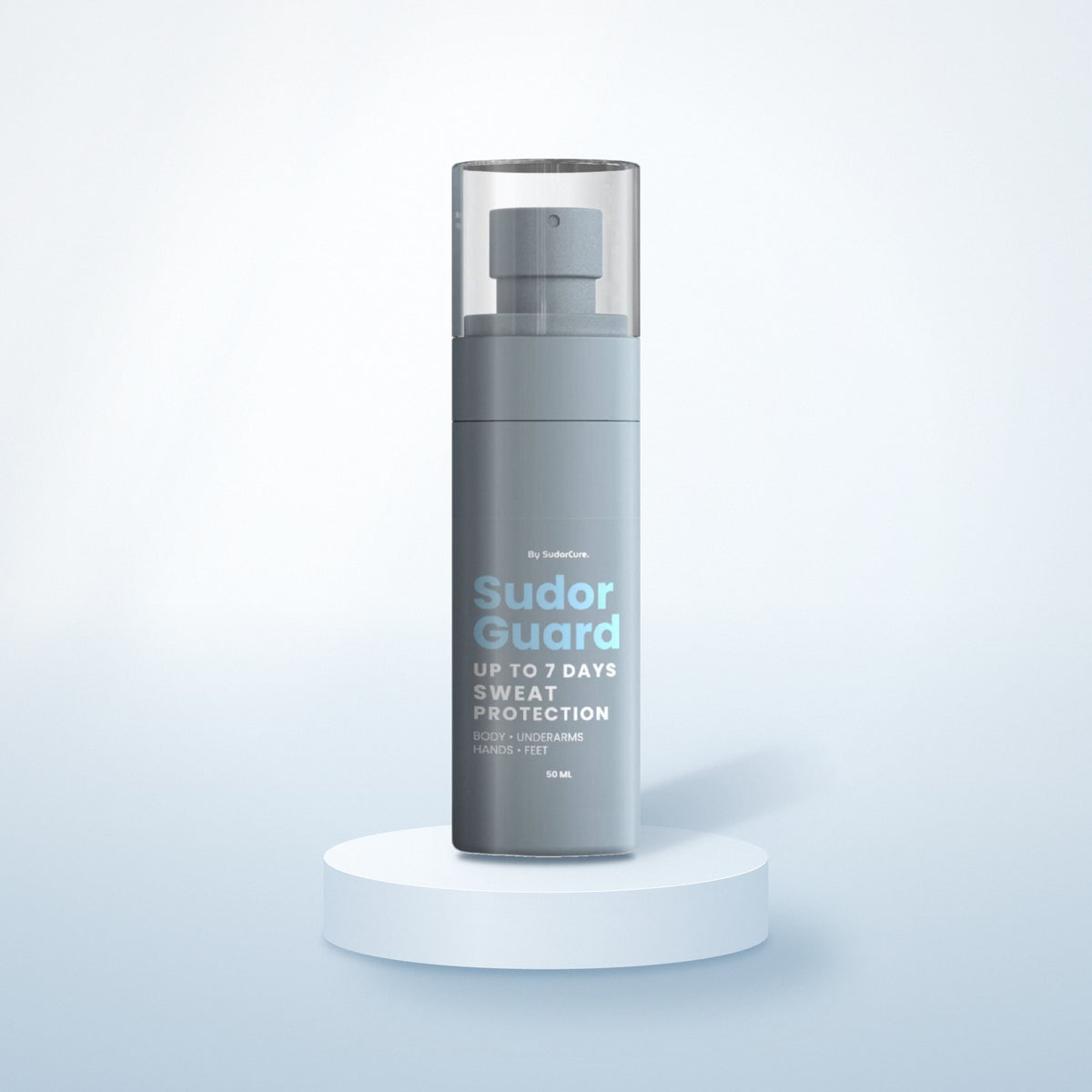
If sweat is the problem, you need an antiperspirant. SudorGuard clinical-strength antiperspirant spray ($34.99 AUD) goes on at night to clean, dry skin and is made for the underarms, hands and feet.
What a Deodorant Does
Deodorants are designed to address body odour. They work by neutralising or masking the smell that occurs when bacteria break down sweat on the skin. They do not reduce how much you sweat. For someone without hyperhidrosis, a deodorant paired with a standard antiperspirant is usually sufficient. For someone living with excessive sweating, a deodorant alone achieves very little, and our guide to choosing a deodorant for excessive sweating explains what to look for instead.
Antiperspirant vs Deodorant: What an Antiperspirant Does Differently
Antiperspirants work by temporarily blocking the sweat ducts, reducing how much perspiration reaches the skin's surface. They use aluminium-based compounds, most commonly aluminium chlorohydrate, to form a temporary plug in the duct opening.
Standard supermarket antiperspirants typically contain relatively low concentrations of these compounds. For most people without hyperhidrosis, this is sufficient. For someone with overactive sweat glands, the concentration is simply not high enough to produce meaningful control.
When Antiperspirant Is Not Enough
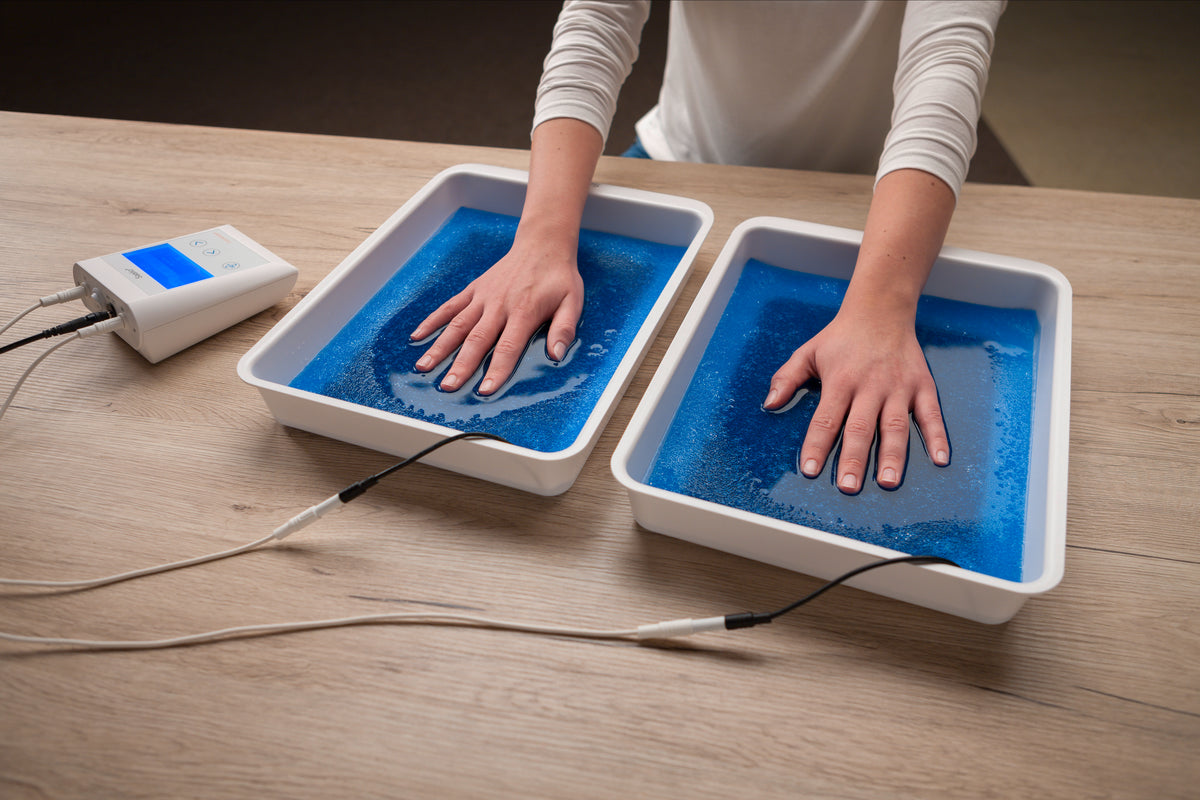
For moderate to severe hyperhidrosis, particularly on the hands and feet where topical products are harder to apply effectively, clinical-strength antiperspirant may offer some partial benefit but is rarely the complete answer. This is where iontophoresis becomes relevant.
How to Use a Clinical-Strength Antiperspirant Correctly
The correct application technique makes a significant difference to results. Apply SudorGuard to completely dry underarms at night before bed, not in the morning after a shower. The skin needs to be fully dry and sweat gland activity low for the active ingredient to enter the ducts and form an effective temporary plug. Morning application, when skin is still warm from the shower and glands are already active, significantly reduces effectiveness.
If you shave underarms, wait at least 24 hours before applying. Fresh shaving creates micro-abrasions in the skin that can cause stinging and irritation when a clinical-strength product is applied.
Apply it every night for the first week, or until you reach the dryness you want. After that, one to two nights a week is enough for most people.
What to Expect
Clinical-strength antiperspirants take a little time to build their full effect. The first week of use may not show the complete result. Many people notice a change within 7 to 14 nights of consistent, correct use. For more severe sweating, SudorGuard may help but not be enough on its own, at which point trying iontophoresis is the logical next step.
Can You Use SudorGuard and Iontophoresis Together?
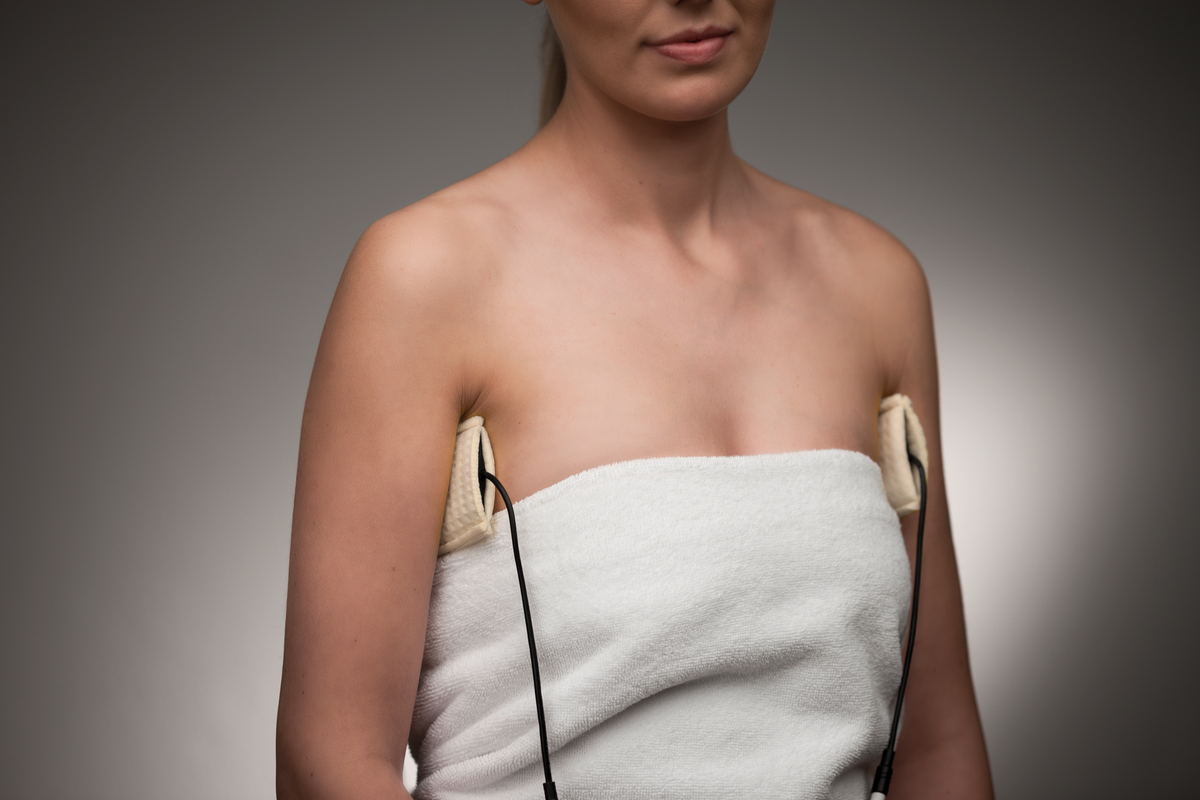
Iontophoresis is effective on its own, so you don't need an antiperspirant alongside it. It works on the nerve signalling to the sweat glands, which is a different mechanism from the plug an antiperspirant forms. If you would still like to use both, that is fine; if you are treating your underarms, just leave SudorGuard off that area for at least five days before an underarm session, as the Saalio® instructions ask.
As a guide, iontophoresis maintenance is typically once a week for 15 to 20 minutes, and some people can go weeks between sessions as their response builds over time.
If you have questions about which option is right for your situation, email us at hello@sudorcure.com and we are happy to help you work it out.
What About Hands and Feet?
SudorGuard can be applied to the underarms, hands and feet for mild to moderate sweating, and our guide to using an antiperspirant for hands and feet covers the routine. Palms and soles have a high density of sweat glands, so they can take more patience than underarms.
For mild to moderate sweating in any of these areas, SudorGuard is a practical place to start. For moderate to severe sweating of the hands, feet or underarms, iontophoresis with the Saalio® range is effective on its own, and you can try it at home first through the hire program.
References
- Walling, H. W., & Swick, B. L. (2011). Treatment options for hyperhidrosis. American Journal of Clinical Dermatology, 12(5), 285 to 295. https://doi.org/10.2165/11587870-000000000-00000
- Benson, R. A., et al. (2013). Diagnosis and management of hyperhidrosis. BMJ, 347, f6800. https://doi.org/10.1136/bmj.f6800