Excessive Sweating Treatments Compared: What Are Your Options?
Living with hyperhidrosis means spending a lot of time searching for answers. What actually works? The right excessive sweating treatment depends on which area is affected, how severe the sweating is, and your budget. This post lays out the main options clearly so you can make an informed decision.
Clinical-Strength Antiperspirants
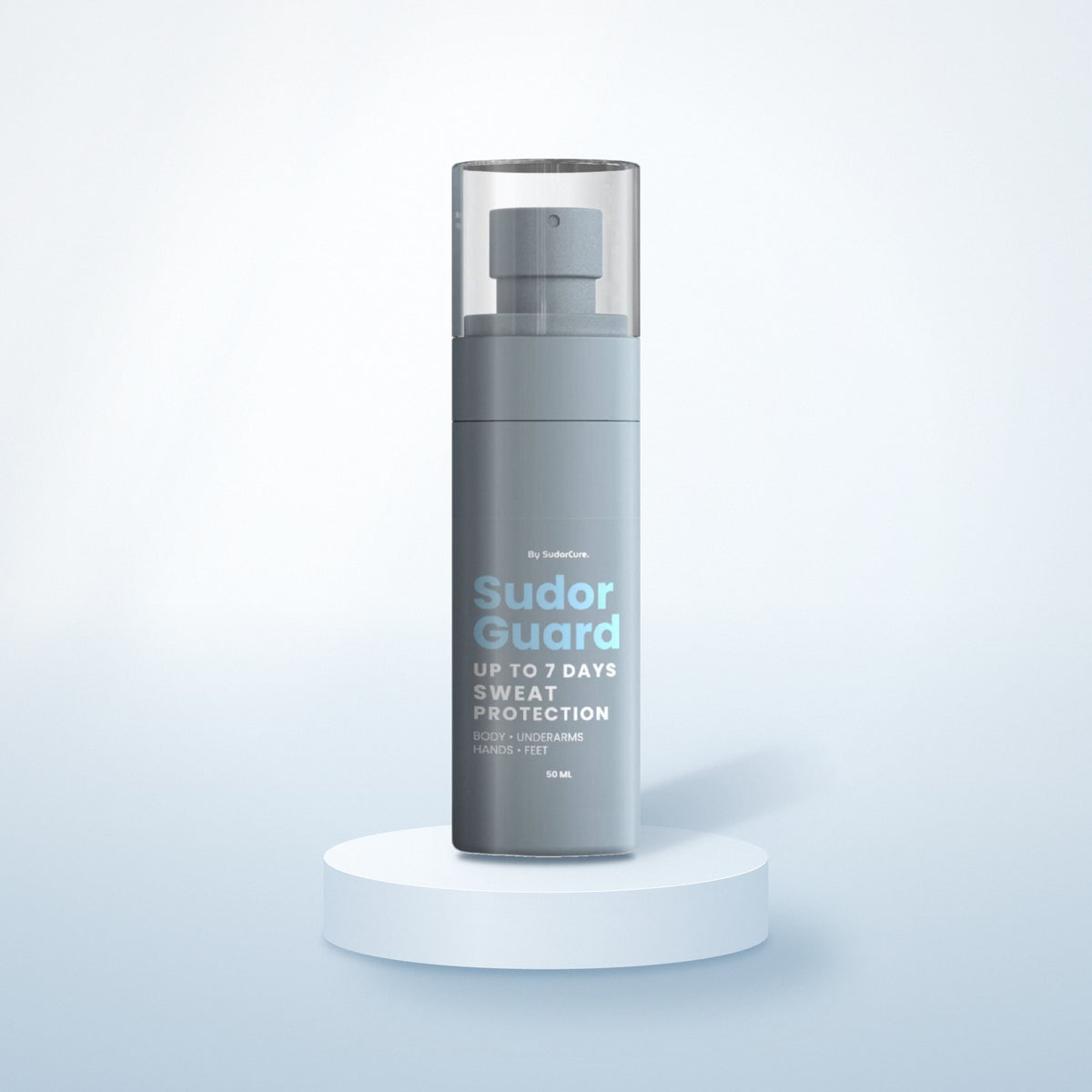
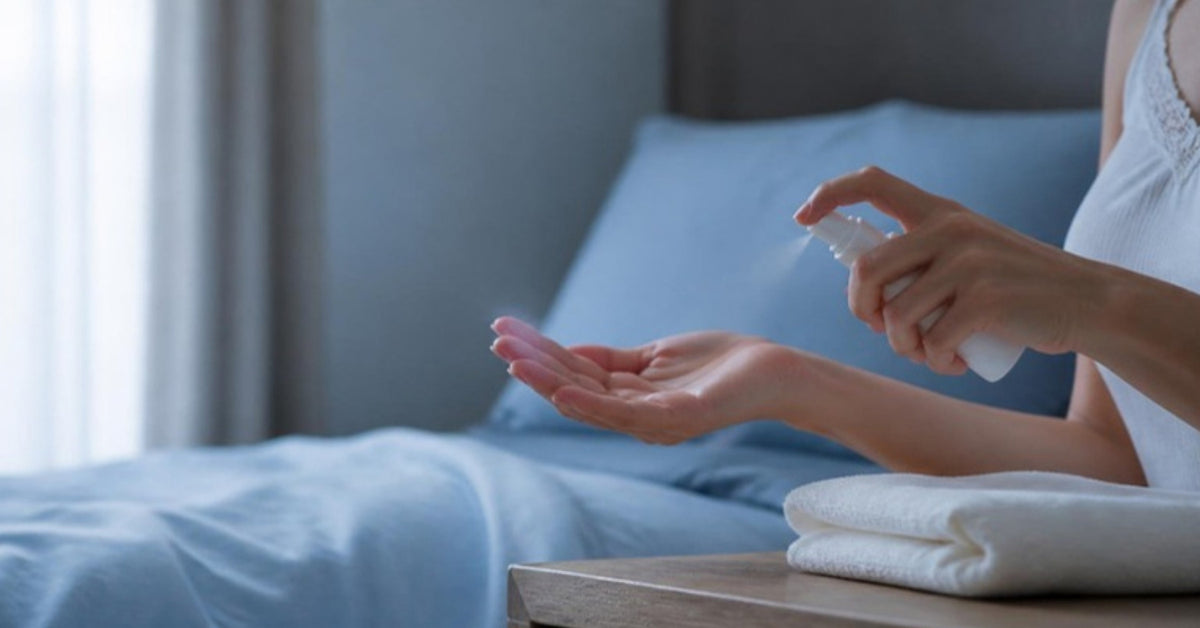
Aluminium-based antiperspirants are typically the first line of treatment for hyperhidrosis. They work by temporarily blocking the sweat ducts in the treated area. Products like SudorGuard are formulated at a clinical strength designed for hyperhidrosis and are applied before bed on dry skin. Antiperspirants are accessible, affordable, and non-invasive, a practical starting point for anyone beginning to manage their sweating.
Iontophoresis
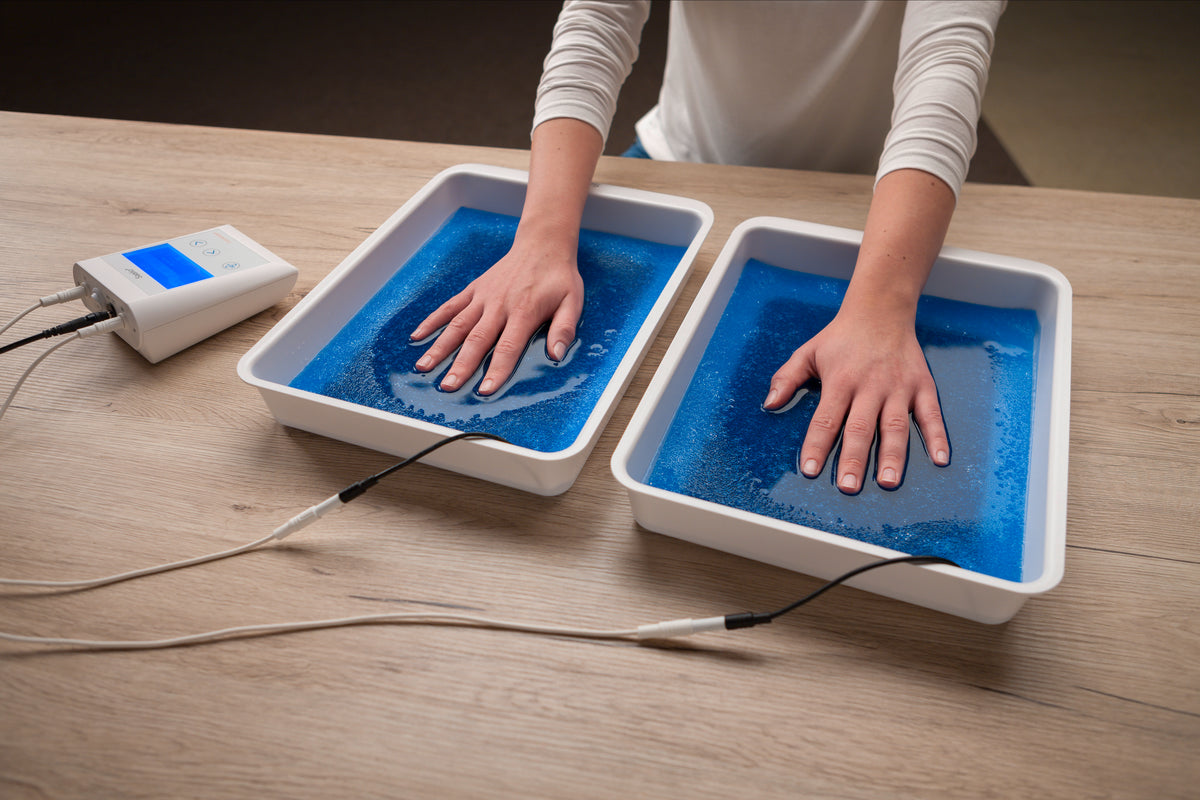
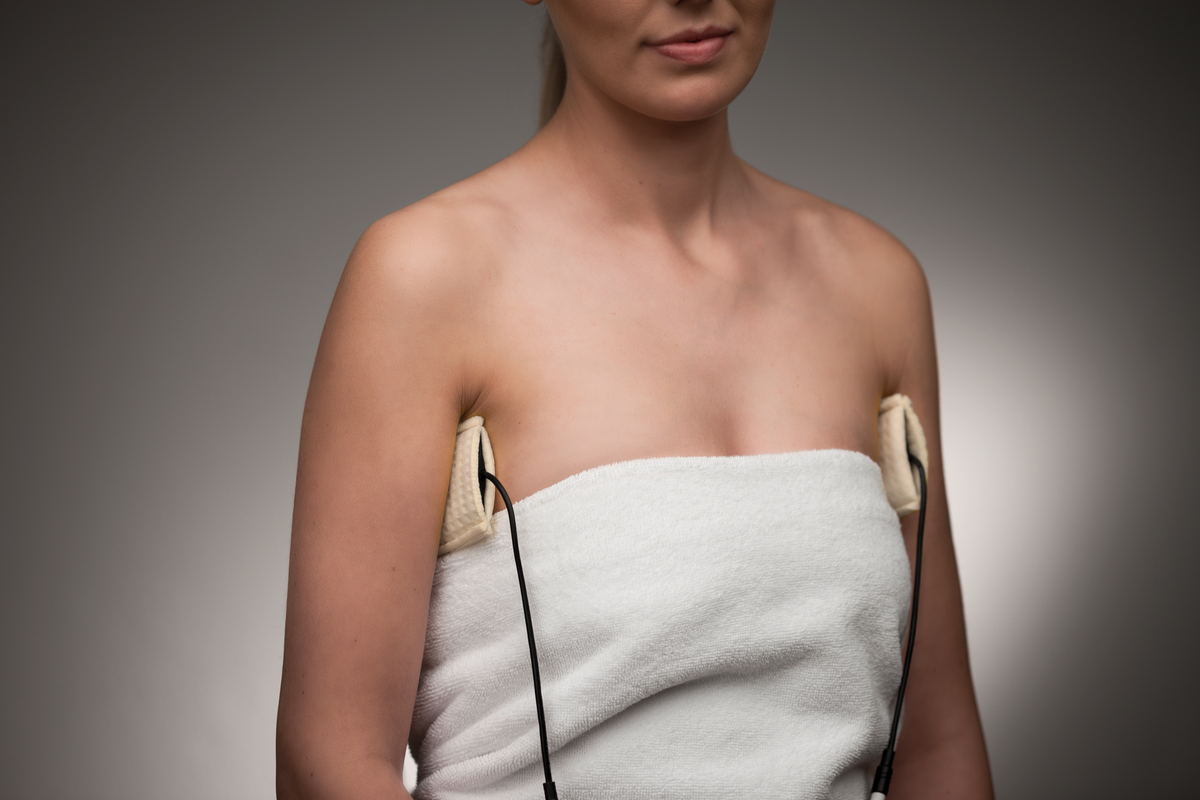
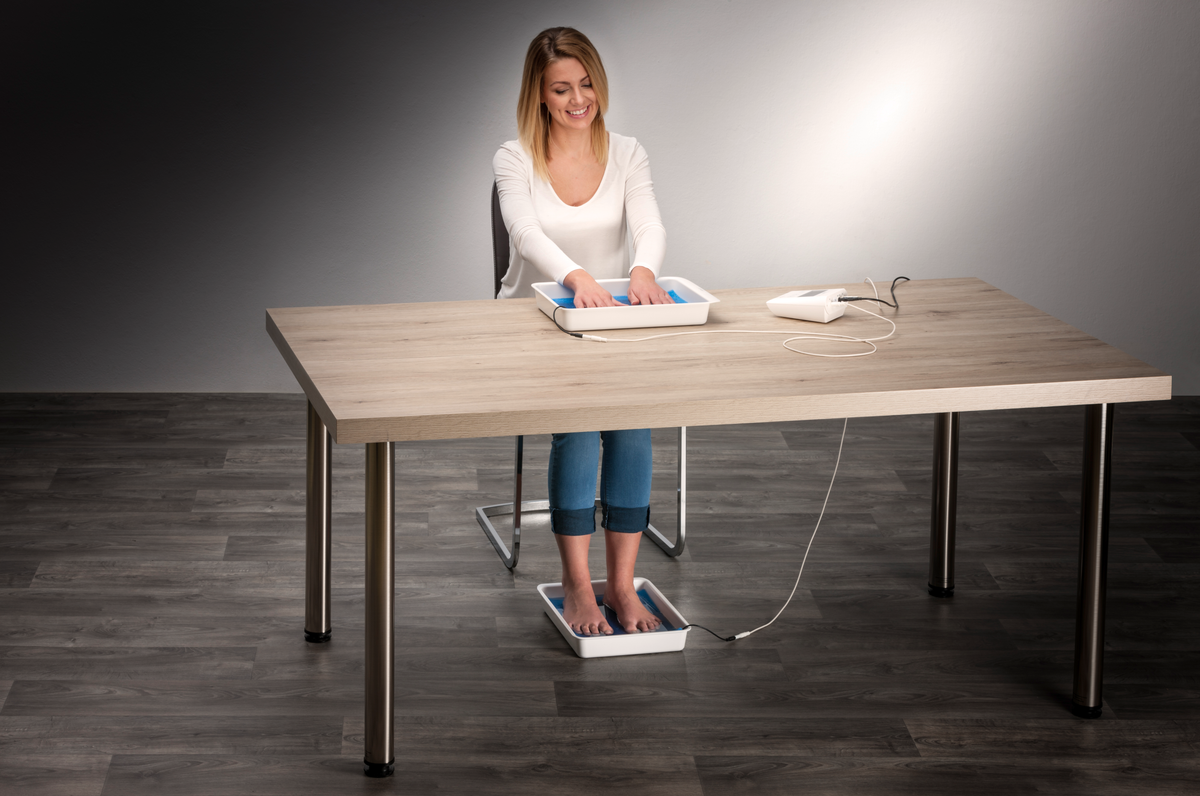
Iontophoresis is one of the most effective non-invasive hyperhidrosis treatments available for the hands, feet, and underarms. It delivers a mild electrical current through water to temporarily reduce sweat secretion. The Saalio® iontophoresis device, distributed across Australia and New Zealand by SudorCure, is a medically certified option designed specifically for at-home use.
The initial treatment phase is a small time investment lasting around 4 to 6 weeks. Once that phase is complete, maintenance is typically once weekly at 15 to 20 minutes, and depending on the person, some people go several weeks between treatments as their response builds over time. It is drug-free and can be done entirely at home. For palmar hyperhidrosis and plantar hyperhidrosis in particular, iontophoresis is widely considered the treatment of choice by dermatologists globally.
Not ready to commit to purchasing an iontophoresis machine? Our Saalio® Hire Program lets you trial a device at home before making a decision.
Prescription Medications
Oral anticholinergic medications work by reducing sweating across the whole body. It is worth noting that these are used off-label for hyperhidrosis, they are not specifically designed to treat excessive sweating, but repurposed from conditions such as overactive bladder and gastrointestinal disorders. They require a prescription and carry significant systemic side effects including severe dry mouth, blurred vision, urinary retention, and constipation. For some people, cognitive effects such as brain fog are also reported. These medications are generally considered for people whose primary hyperhidrosis affects multiple areas or who have not responded to other treatments. Discuss this with a dermatologist, or feel free to email us at hello@sudorcure.com.
Botulinum Toxin (Botox) Injections
Botox injections for hyperhidrosis work by blocking the nerve signals that activate sweat glands in the treated area. Results typically last 4 to 6 months before re-treatment is required.
For underarm sweating, Botox is available under Medicare in Australia (MBS item 18362) under strict eligibility criteria. Patients must have already trialled aluminium chloride antiperspirants, require a GP referral, and can only be treated by a neurologist or dermatologist.
For hands and feet, however, there is no Medicare item and no PBS subsidy, the full cost of both the procedure and the medication falls on the patient. At one of Australia's leading specialist sweat clinics, plantar (feet) treatment is priced at $1,190 per session. With results typically lasting 4 to 6 months, most patients require 2 to 3 sessions per year, meaning annual costs for foot treatment alone can reach $2,400 to $3,600. Palmar (hand) treatment costs vary by clinic and should be confirmed directly with a specialist. For anyone managing sweating in multiple areas, the cumulative cost is substantial.
Surgical Options
Endoscopic thoracic sympathectomy (ETS) is a surgical procedure that cuts or clamps the nerve pathways responsible for excessive hand and underarm sweating. It is considered a last-resort option due to the significant risk of compensatory sweating elsewhere on the body, which can be severe and difficult to reverse.
How to Choose
For most people with primary focal hyperhidrosis, the recommended starting path is a clinical-strength antiperspirant for mild cases, followed by iontophoresis for moderate to severe sweating of the hands, feet, or underarms. Between them, SudorGuard for milder sweating and the Saalio® device for moderate to severe sweating cover the most common presentations without medication or clinic visits.
A useful tool for gauging severity is the Hyperhidrosis Disease Severity Scale (HDSS), a four-point scale used by dermatologists. A score of 3 or 4, sweating that is barely tolerable or intolerable, and frequently interferes with daily activities, generally points toward iontophoresis or stronger intervention. A score of 1 or 2 may respond well to clinical-strength antiperspirant alone. A dermatologist can help you assess where you fall on this scale.
If you are uncertain about which direction to take, reach out to us at hello@sudorcure.com and we will be happy to help you find the right starting point.