Sweaty Feet: Causes, Daily Impact, and Long-Term Treatment Options
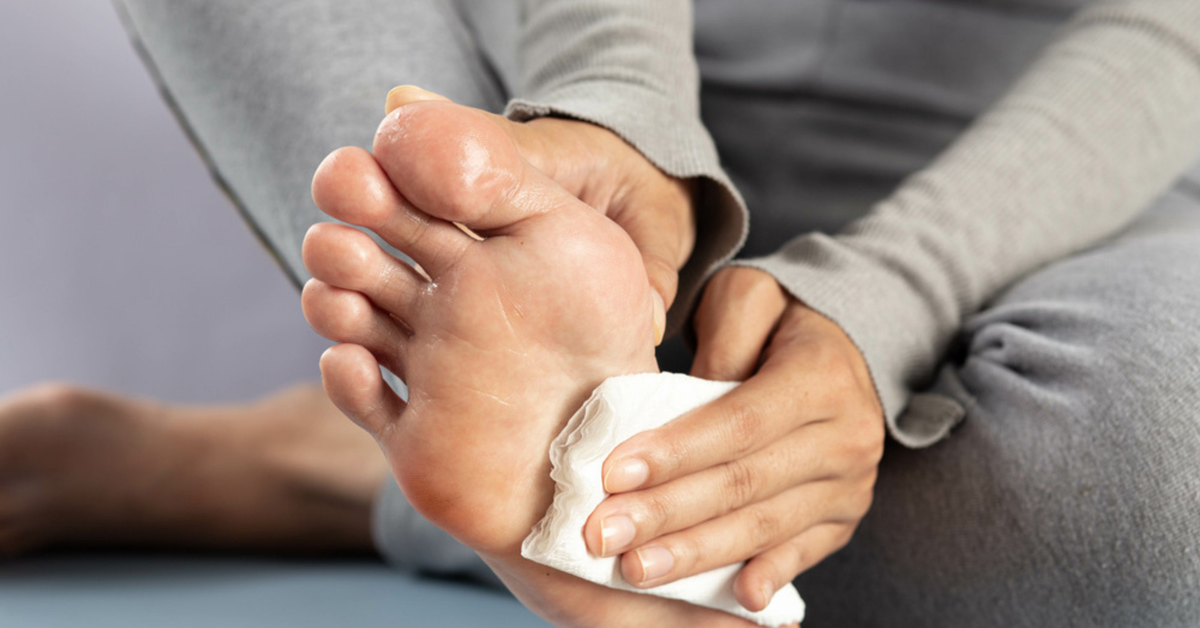
Sweaty feet might seem like a minor inconvenience, but for people with plantar hyperhidrosis, the reality is persistent dampness, uncomfortable footwear, social anxiety around removing shoes, and a constant battle with secondary issues like odour and skin breakdown. Sweaty feet and the conditions they create are a recognised medical problem, not a hygiene issue. This post explains what causes sweaty feet, how they differ from normal perspiration, and what long-term treatment options are available.
What Is Plantar Hyperhidrosis?
Plantar hyperhidrosis is excessive, uncontrollable sweating of the soles of the feet. It is caused by overactive eccrine sweat glands and, in most cases, is classified as primary hyperhidrosis with no underlying medical cause. It often occurs alongside palmar hyperhidrosis. If your hands sweat excessively, your feet often do too, and both can be treated with the same iontophoresis device. Research suggests plantar hyperhidrosis affects between 1 and 3% of the worldwide population, and many people have lived with sweaty feet since childhood or adolescence without knowing effective treatment exists.
The feet contain some of the highest concentrations of sweat glands in the body, which is why plantar hyperhidrosis can produce significant volumes of sweat even in cool, resting conditions.
The Daily Impact of Sweaty Feet
The effects of sweaty feet go beyond wet socks. Constant moisture softens the skin, making it more vulnerable to blisters, fungal infections like tinea, and skin fissures. Footwear deteriorates faster and odour becomes a persistent secondary concern. Many people feel anxious about removing shoes in social settings such as a friend's home, changing rooms, or the beach. That kind of quiet social avoidance is something a lot of people with plantar hyperhidrosis carry around without ever naming it. The condition can affect confidence and daily comfort in ways that go well beyond the physical.
Treatment Options for Sweaty Feet
Iontophoresis
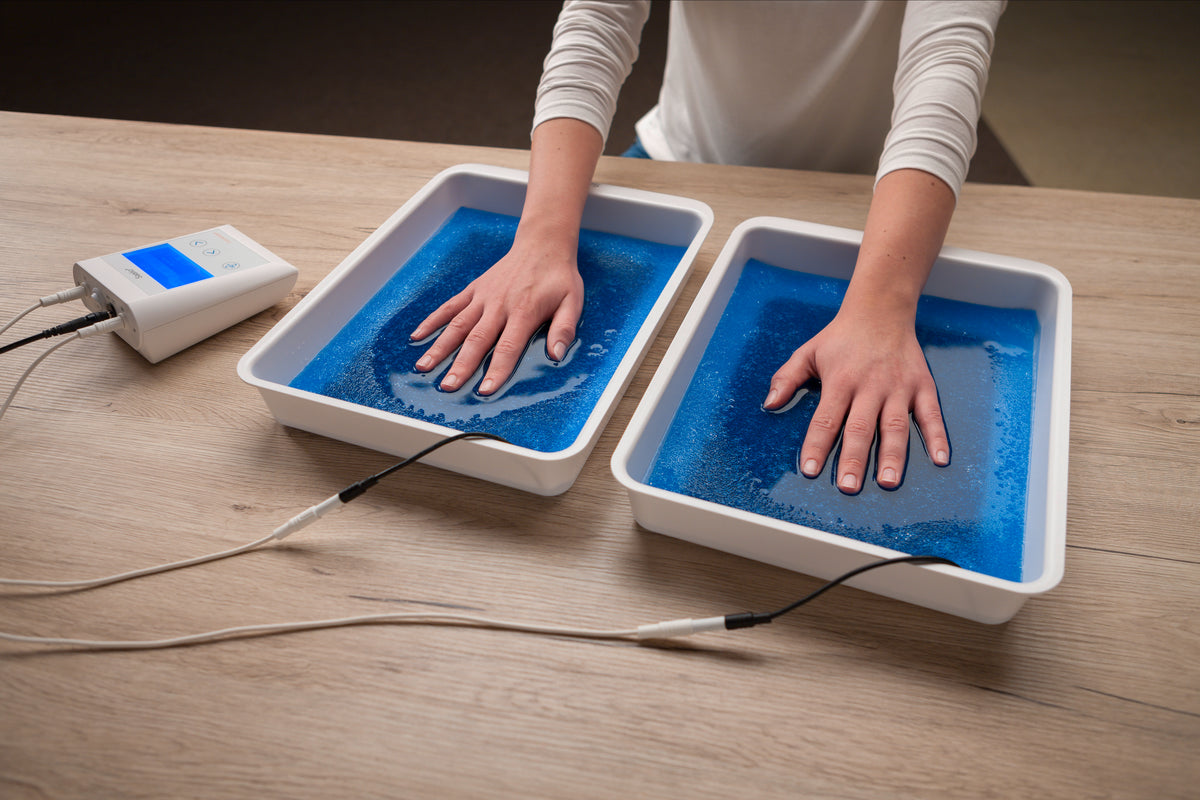
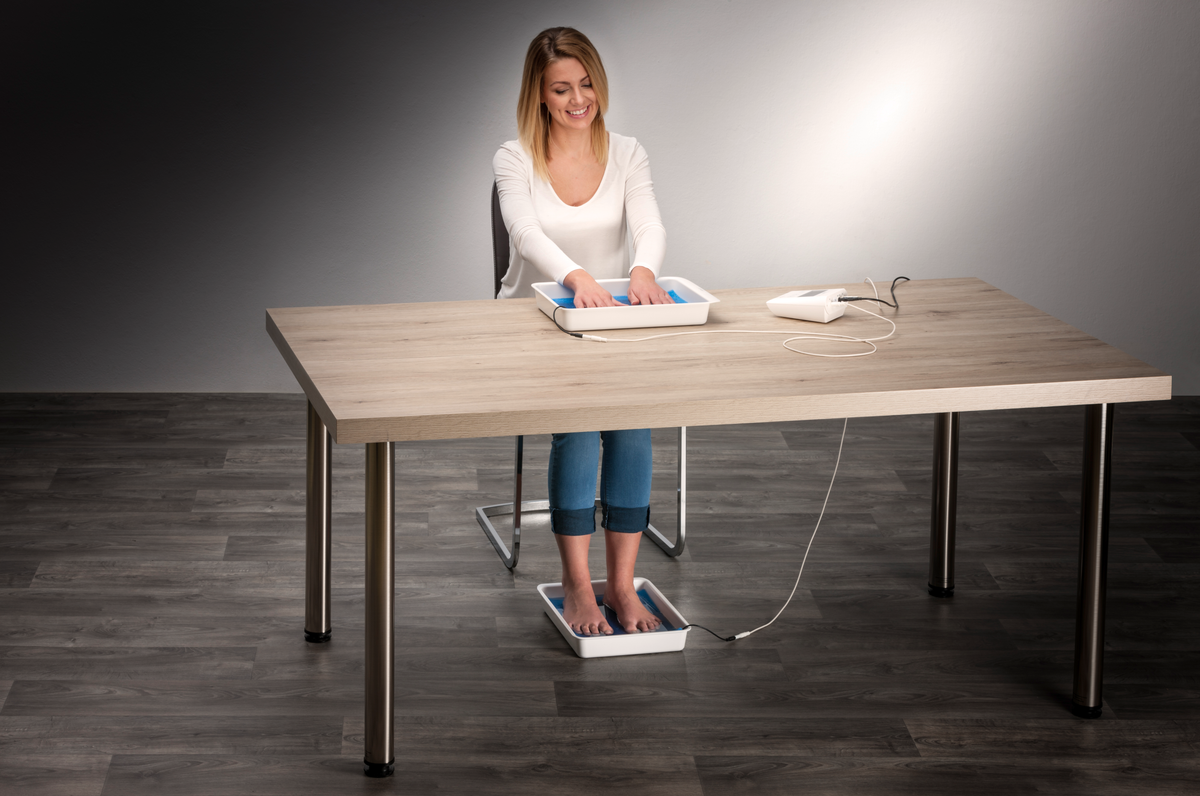
Iontophoresis is a highly effective, non-invasive treatment for sweaty feet. The feet are placed in separate trays of tap water and a mild electrical current is delivered through the water via electrodes. The current is gradually increased to a comfortable level. Feet tend to be less sensitive than hands, so most people with sweaty feet tolerate iontophoresis well from the first session and can progress to effective current levels relatively quickly.
The Saalio® Hands & Feet Iontophoresis Device (DE Set) treats both hands and feet, making it an ideal choice for anyone managing both conditions. The initial treatment phase involves sessions of at least 15 minutes at least every second day, or daily if the skin tolerates it, sustained for 4 to 6 weeks depending on individual response. Once results are established, maintenance is typically once weekly at 15 to 20 minutes to keep sweaty feet under control. Many people find their response builds over time and can go weeks between sessions as maintenance requirements reduce.
Clinical-Strength Antiperspirants
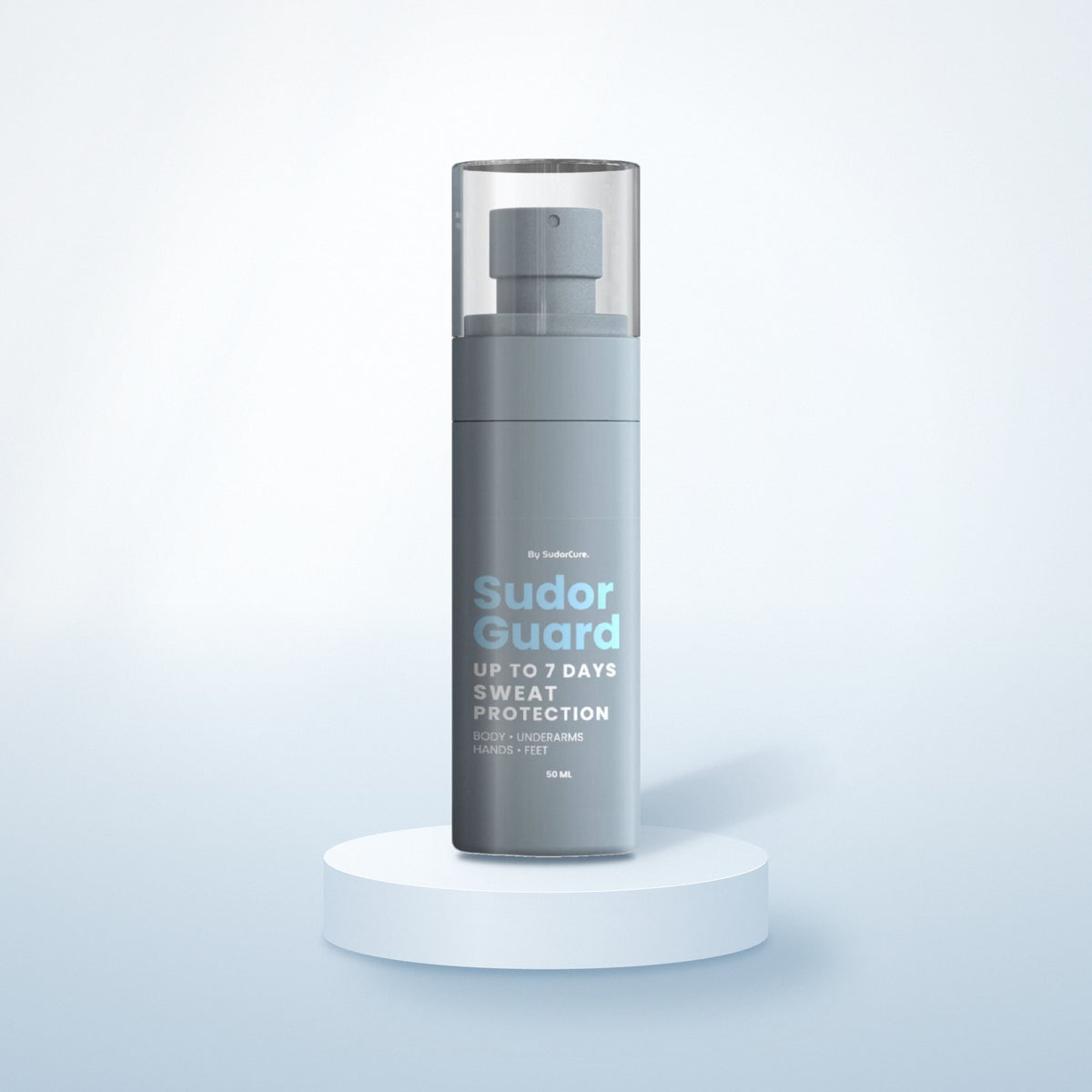
Antiperspirants containing aluminium compounds can be applied to clean, dry feet at night to help manage mild sweating. They are a low-barrier starting point for mild sweating, but success rates for plantar hyperhidrosis are modest and they are unlikely to provide enough control for moderate to severe sweaty feet.
Practical Foot Care Alongside Treatment
While working through the initial phase, moisture-wicking socks, breathable footwear, and rotating shoes to allow them to dry between wears all help reduce the daily impact of sweaty feet. Applying a rehydrating cream after each iontophoresis session addresses any skin dryness that can occur with regular treatment.
When to Seek Additional Guidance
If you are dealing with recurring fungal infections or significant skin breakdown alongside excessive foot sweating, it is worth raising this with your GP or a podiatrist. Sweaty feet combined with frequent infections benefit from concurrent medical management, and a GP can also confirm that your sweating is primary hyperhidrosis rather than secondary to another condition. Our team at SudorCure is also happy to help guide you through the iontophoresis process at hello@sudorcure.com.
What Results Look Like With Iontophoresis for Sweaty Feet
For plantar hyperhidrosis, the initial treatment phase typically produces noticeable results within two to four weeks. Feet generally tolerate higher current levels than hands, which means it is often possible to progress to effective settings more quickly. The Saalio® Hands & Feet Iontophoresis Device (DE Set) treats both feet simultaneously in separate trays, making each session efficient and easy to build into your routine.
Once established in maintenance, most people find one session per week maintains their desired level of dryness through all seasons. Many people who have been managing sweaty feet for years describe the transition to dry, comfortable feet as one of the most significant quality-of-life improvements they have experienced from any treatment. And as their response to iontophoresis builds, many find they can stretch sessions further apart, sometimes going several weeks between treatments.
Ready to address sweaty feet properly? Explore the Saalio® Hire Program to try before buying, or reach us at hello@sudorcure.com.