Focal Hyperhidrosis: How It Is Diagnosed and What It Means for Treatment
If your palms, feet or underarms have sweated far more than they should for as long as you can remember, you have probably wondered at some point whether it is "just sweating" or a condition with a name. For most people in that position the name is focal hyperhidrosis, and finding out is simpler than you might expect. There is no blood test or scan involved. Dermatologists diagnose it from your own story, using a short checklist you can run through yourself before you finish this article.
What Is Focal Hyperhidrosis?
Hyperhidrosis is sweating beyond what your body needs to keep cool. Focal hyperhidrosis is the kind that happens in specific places, most often the palms, soles, underarms or face, rather than all over. When there is no other condition or medication behind it, doctors call it primary focal hyperhidrosis, and it is a condition in its own right, with its own diagnosis and its own treatments.
Hyperhidrosis is far more common than most people realise, and plenty of people live with it for years without ever hearing the name. In a large survey of more than 8,000 people, 4.8% had hyperhidrosis, close to 1 in 20. Only 51% of them had ever discussed it with a health professional, and among those who had not, 60% said it was because they did not think it was a medical condition. It is.
Primary hyperhidrosis usually begins in childhood or the early teens. Two-thirds of people with sweaty palms say theirs started before they were 12, which means most people with focal sweating have been quietly managing it since primary school, long before anyone offered them a name for it.
How Is Focal Hyperhidrosis Diagnosed?
In 2004 a group of dermatologists led by John Hornberger published diagnostic criteria for primary focal hyperhidrosis in the Journal of the American Academy of Dermatology, and they are still the criteria used today. They have two parts.
The first is the entry rule: visible, excessive sweating in a specific area for at least six months, with no obvious cause. Visible means someone else could see it: wet palms, damp footprints, marks on a shirt. Six months rules out a bad summer or a stressful term.
The second is a list of six supporting criteria, and focal hyperhidrosis requires at least two of them:
- Bilateral and roughly symmetrical. Both sides are affected, so two sweaty palms rather than one.
- Impairs daily activities, whether that is handwriting, gripping tools or choosing clothes.
- At least one episode a week.
- Onset before the age of 25. For most people it starts in childhood or the teens.
- A family history. Roughly two-thirds of people with primary hyperhidrosis have a relative with the same problem.
- No sweating during sleep.
Two of six is the official threshold. Many doctors like to see more, and there is a good reason for that: when four or more criteria are met, the positive predictive value for primary hyperhidrosis is about 0.99, which is to say the checklist is right about 99 times out of 100. If you can tick four, you can walk into a GP appointment with a fairly confident idea of what you are dealing with.
Primary Hyperhidrosis or Secondary Hyperhidrosis: Ruling Out Other Causes
The checklist works by pattern. Primary hyperhidrosis tends to start young, affect both sides, switch off at night and run in families. Secondary hyperhidrosis, where something else is driving the sweating, tends to break those patterns. It is far less common; when one clinic reviewed its patients, more than nine in ten had primary hyperhidrosis.
The secondary hyperhidrosis causes are worth knowing about because they need a different kind of care. In that same clinic review, the people with a secondary cause were far more likely to sweat on one side only, at night, over the whole body, or to have started sweating after the age of 25, and thyroid problems and diabetes were behind more than half of those cases.
That is why Australian referral guidelines ask GPs to check thyroid function and blood sugar before referring someone with suspected focal hyperhidrosis to a dermatologist. The blood tests are not there to confirm focal hyperhidrosis. They are there to rule out something else.
So if your sweating started suddenly as an adult, soaks the sheets at night or covers your whole body, see your GP first. Healthdirect lists the same warning signs, and adds that sweating together with chest pain, light-headedness or nausea is a reason to call 000.
How Severe Is Your Focal Hyperhidrosis? Scoring Yourself on the HDSS
Once the pattern fits focal hyperhidrosis, the next question is how much it is affecting you. Dermatologists use a one-question scale called the Hyperhidrosis Disease Severity Scale, or HDSS, and you can score yourself on it right now. You simply pick the statement that describes you best:
- My sweating is never noticeable and never interferes with my daily activities.
- My sweating is tolerable but sometimes interferes with my daily activities.
- My sweating is barely tolerable and frequently interferes with my daily activities.
- My sweating is intolerable and always interferes with my daily activities.
A score of 1 or 2 is considered mild to moderate, and 3 or 4 is severe. The useful part is that the scale tracks change. Dropping one point has been linked to roughly half as much sweat, and dropping two points to around 80% less. Write your number down before you start any treatment and you will have your own starting point to compare against a month or two from now.
I have lived with hyperhidrosis since childhood, and as a teenager I would have scored myself a 3, close to a 4. Since treatment, I have gone down to a 1.
Do You Need a Sweat Test?
Two tests exist for focal hyperhidrosis, and neither is needed for a diagnosis. The sweat-weighing test holds filter paper against the palm or armpit and weighs it afterwards, but there is no agreed cut-off for what counts as too much, and in Australia it is mainly used in research.
The starch-iodine test for focal hyperhidrosis turns the skin purple wherever sweat appears, which shows where you sweat rather than how much, and its main use is marking out the area before Botox (botulinum toxin) injections. A 2021 review of 33 studies concluded that the diagnosis rests on your history and a simple examination, so if your doctor does not reach for a test, that is normal.
Why "Focal" Decides Whether Iontophoresis Is an Option
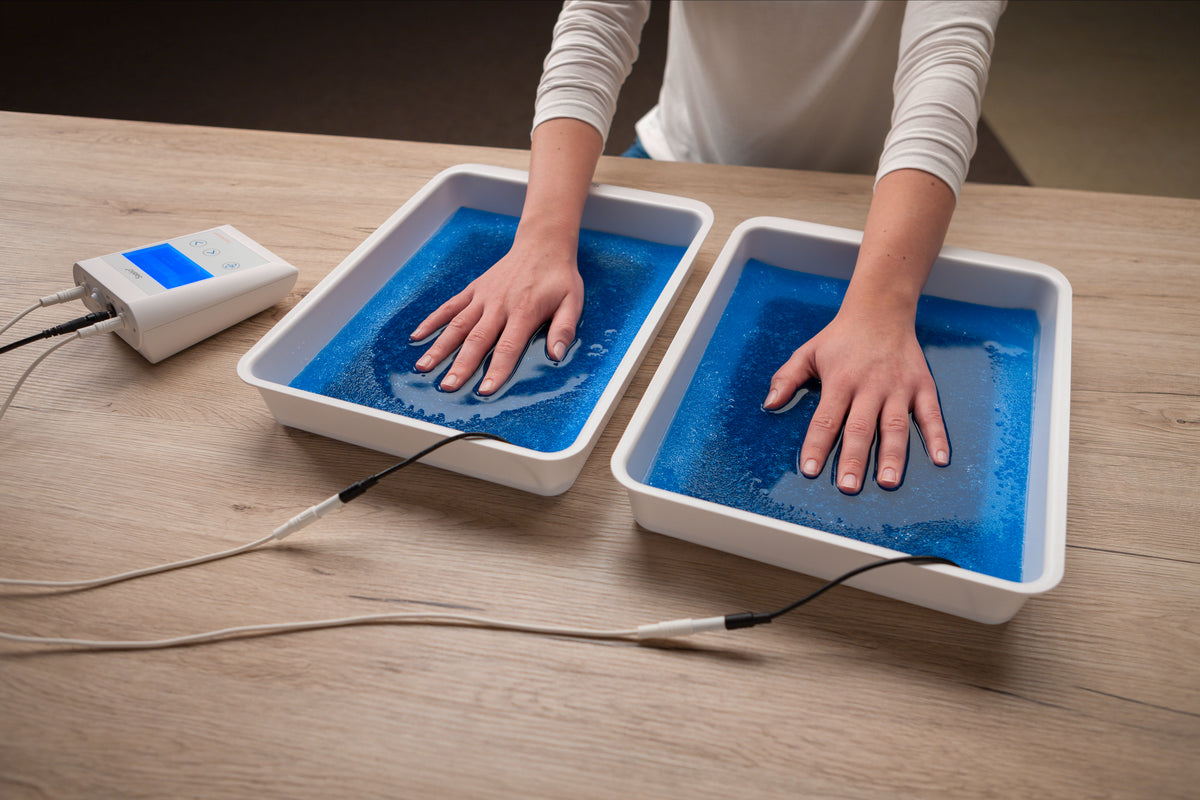
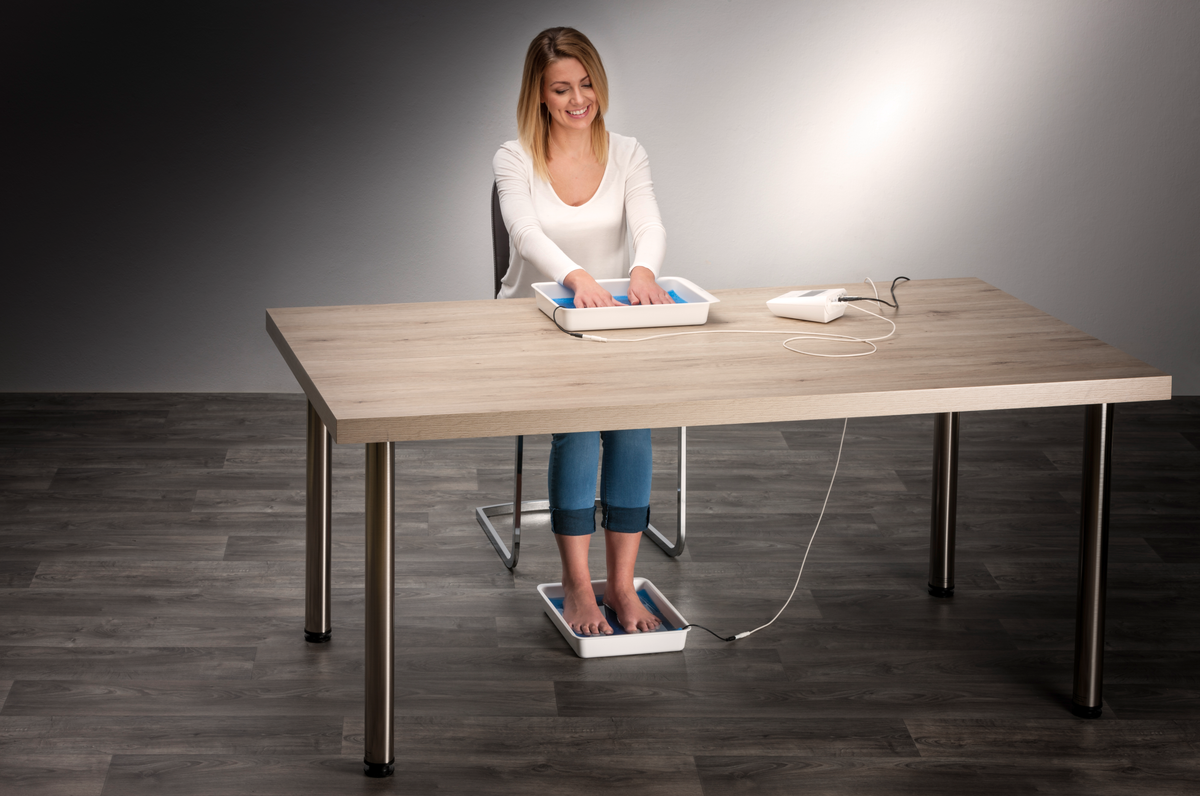
The diagnosis is worth having because it decides which treatments are open to you. Iontophoresis, the treatment SudorCure supplies through the Saalio® devices, passes a mild current through tap water into the skin, and it is used for primary focal hyperhidrosis of the palms, soles and underarms.
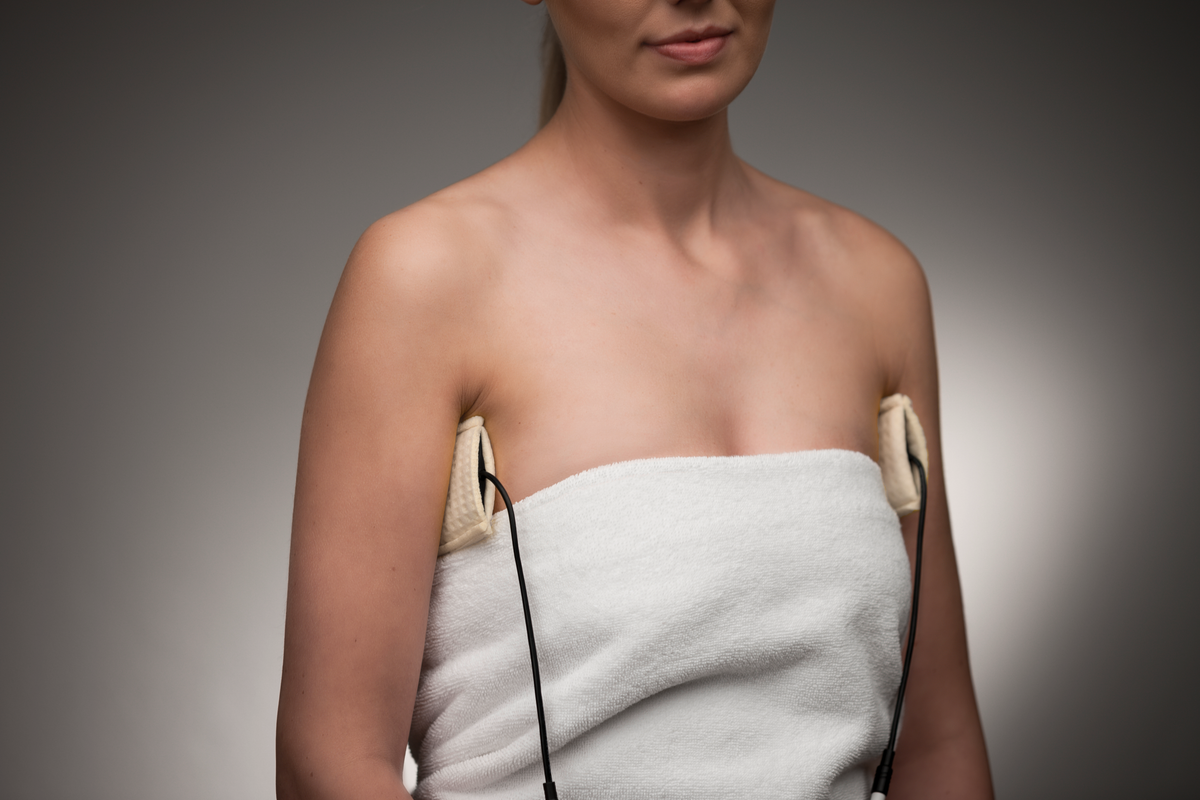
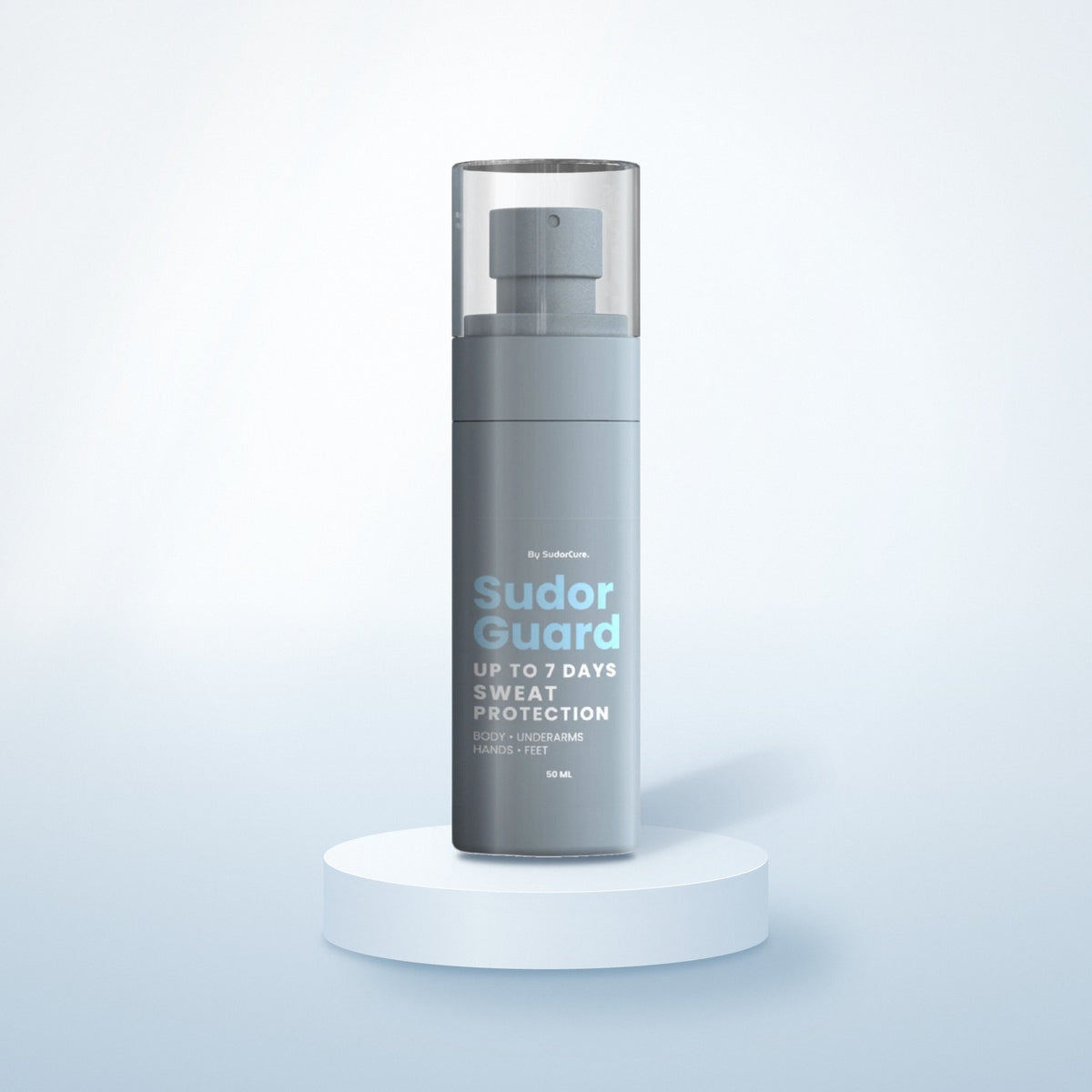
Clinical reviews list it among the first treatments to try for hyperhidrosis of the hands and feet, and the Saalio® Underarm Iontophoresis Device (AX Set) brings the same approach to the underarms. For milder sweating, a clinical-strength antiperspirant such as SudorGuard Antiperspirant Spray is a simple place to start, on the underarms, hands or feet.
What iontophoresis is not is a treatment for whole-body sweating, night sweats, menopausal hot flushes or sweating caused by a medication. Those are secondary patterns, and the advice from the International Hyperhidrosis Society is to treat the cause rather than the sweat. The checklist above is how you tell which group you are in before spending money on anything.
For focal hyperhidrosis, the effect of iontophoresis is temporary, which is why it comes with a maintenance routine. Maintenance is typically once a week for 15 to 20 minutes, and many people find they can go weeks between sessions as their response builds over time. Our guide to the initial phase of iontophoresis explains what the first weeks look like.
Should I See a Doctor?
Yes, and sooner rather than later. In a survey of almost 2,000 people with hyperhidrosis, most had waited at least three years before asking for help, and almost half had waited ten years or more. Part of that is embarrassment, and part is cost: in Australia most hyperhidrosis care is private, and iontophoresis devices are not government subsidised. None of that changes the diagnosis. It just explains why so many people arrive at it late.
A GP visit is worth it even when you are confident of the checklist, both to confirm focal hyperhidrosis and to have your thyroid and blood sugar checked if that has never been done. A straightforward consultation is usually all it takes.
I was around 13 when I got help, and it was because my sweating had started to affect my mental health too much. If it is weighing on you in the same way, that alone is a reason to look into treatment.
Where to Start With Focal Hyperhidrosis Treatment
If you meet the six-month rule and at least two of the six signs, and none of the warning signs apply, you have a good working picture of focal hyperhidrosis and a good idea of the treatments that suit it.
If you would like to start with the least invasive options, SudorGuard Antiperspirant Spray is the first step for mild to moderate sweating on the underarms, hands and feet, and the Try Before You Buy hire program puts a Saalio® iontophoresis device in your home for three or four weeks, and if you decide to buy within 30 days of your hire ending, your hire fee comes off the purchase price.
If you are not sure where you fit, email us at hello@sudorcure.com and we are happy to help you work it out. For the basics, what is hyperhidrosis is the place to start, and why do I sweat so much looks at triggers and the primary versus secondary question in more depth.
References
- Doolittle J, Walker P, Mills T, Thurston J. Hyperhidrosis: an update on prevalence and severity in the United States. Archives of Dermatological Research. 2016;308(10):743–749. https://doi.org/10.1007/s00403-016-1697-9
- Fiona Stanley Hospital Dermatology, WA Health. Dermatology pre-referral guidelines: hyperhidrosis. May 2025. https://fsfhg.health.wa.gov.au/~/media/HSPs/SMHS/Hospitals/FSFHG/Files/PDF/FSH-Derma-Hyperhidrosis-guidelines.pdf
- Glaser DA, Hebert A, Pieretti L, Pariser D. Understanding patient experience with hyperhidrosis: a national survey of 1,985 patients. Journal of Drugs in Dermatology. 2018;17(4):392–396. https://jddonline.com/articles/understanding-patient-experience-with-hyperhidrosis-a-national-survey-of-1985-patients-S1545961618P0392X/
- Healthdirect Australia. Excessive sweating (hyperhidrosis). Reviewed March 2026. https://www.healthdirect.gov.au/excessive-sweating-hyperhidrosis
- Henning MAS, Thorlacius L, Ibler KS, Jemec GBE. How to diagnose and measure primary hyperhidrosis: a systematic review of the literature. Clinical Autonomic Research. 2021;31:511–528. https://doi.org/10.1007/s10286-021-00794-6
- Hornberger J, Grimes K, Naumann M, et al. Recognition, diagnosis, and treatment of primary focal hyperhidrosis. Journal of the American Academy of Dermatology. 2004;51(2):274–286. https://doi.org/10.1016/j.jaad.2003.12.029
- International Hyperhidrosis Society. Diagnosis guidelines. https://www.sweathelp.org/about-hyperhidrosis/diagnosis-guidelines.html
- International Hyperhidrosis Society. Epidemiology of primary hyperhidrosis. https://www.sweathelp.org/about-hyperhidrosis/epidemiology-of-primary-hyperhidrosis.html
- International Hyperhidrosis Society. Hyperhidrosis Disease Severity Scale (HDSS). https://www.sweathelp.org/pdf/HDSS.pdf
- Larney C, Iyengar L, Berry W, Shumack S, Foley P. Hyperhidrosis: diagnosis, assessment and stepwise management. Medicine Today. 2026;27(5):21–25.
- Lycett MJ, Ng K. Hyperhidrosis: don't sweat it. Internal Medicine Journal. 2025. https://doi.org/10.1111/imj.70019
- McConaghy JR, Fosselman D. Hyperhidrosis: management options. American Family Physician. 2018;97(11):729–734. https://www.aafp.org/pubs/afp/issues/2018/0601/p729.html
- Solish N, Bertucci V, Dansereau A, et al. A comprehensive approach to the recognition, diagnosis, and severity-based treatment of focal hyperhidrosis: recommendations of the Canadian Hyperhidrosis Advisory Committee. Dermatologic Surgery. 2007;33(8):908–923. https://doi.org/10.1111/j.1524-4725.2007.33192.x
- Walling HW. Clinical differentiation of primary from secondary hyperhidrosis. Journal of the American Academy of Dermatology. 2011;64(4):690–695. https://doi.org/10.1016/j.jaad.2010.03.013