What Is Hyperhidrosis? Understanding Excessive Sweating
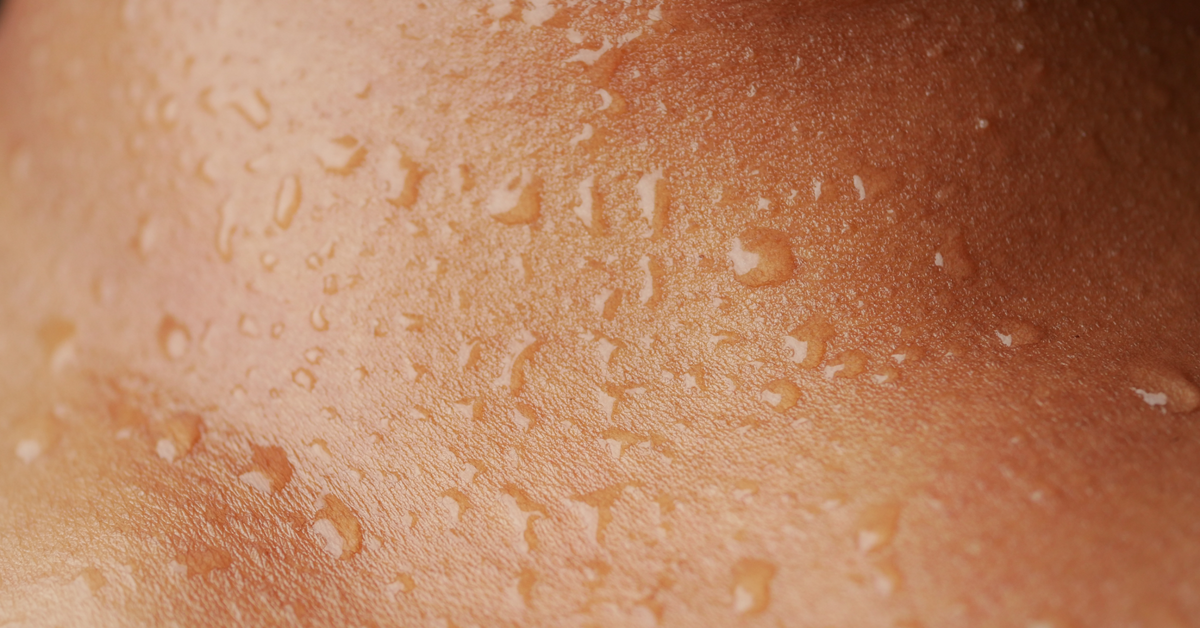
For many people, sweating is simply a natural response to a warm day or exercise. However, for others, it is an ongoing, daily challenge that occurs regardless of the temperature. If you find yourself soaking through clothes while sitting still, or if damp hands make you hesitate before a handshake, please know you are not alone.
You may be experiencing a medical condition known as hyperhidrosis.
It is estimated that at least one in twenty people are affected by hyperhidrosis. Despite being relatively common, it is still widely misunderstood. The positive news is that excessive sweating can be managed, and understanding the underlying cause is the first step towards regaining control and self-confidence.
Understanding the Causes
Hyperhidrosis is characterised by sweating that exceeds what is necessary for temperature regulation. While it might feel as though your sweat glands are simply working overtime, the cause usually lies within the nervous system.
There are two main types of hyperhidrosis:
Primary Hyperhidrosis
This is the most common type. In primary hyperhidrosis, the sympathetic nervous system, which acts as the body's thermostat, becomes overactive. It prompts the sweat glands even when there is no physical need to cool down.
Primary hyperhidrosis usually affects specific, focal areas such as the:
- Hands (palmar hyperhidrosis)
- Feet (plantar hyperhidrosis)
- Underarms (axillary hyperhidrosis)
- Face
Although the exact cause remains unknown, there is a strong genetic component. If you are living with this condition, you might notice a parent or sibling with similar symptoms.
Secondary Hyperhidrosis
This type of sweating is the result of an underlying medical condition or side effect of medication. Unlike primary hyperhidrosis, which affects specific areas, secondary hyperhidrosis usually causes generalised sweating across the whole body.
Common causes can include hormonal changes (such as menopause), thyroid issues, diabetes, or certain prescription medications. If you experience a sudden onset of widespread sweating, it is important to seek advice from a healthcare professional to rule out underlying causes.
Recognising the Symptoms
Hyperhidrosis is more common than many people realise, affecting at least 1 in 20 people globally, though it is often under diagnosed and misunderstood. Recognising the condition is the first step towards managing it effectively.
How can you tell if it's hyperhidrosis, rather than feeling naturally warm or sweating due to activity?
A key sign is sweating that exceeds what your body needs for temperature regulation. People with hyperhidrosis may sweat four to five times more than usual, often without clear reason or trigger, and this can occur even in cool conditions or while at rest.
Common symptoms to look out for include:
- Noticeable, persistent sweating: Regularly experiencing wet patches on clothing, damp hands, or beads of sweat on the face, even when you are not exercising or in a hot environment.
- Interference with everyday activities: Difficulty holding a pen, using touch screens, turning doorknobs, or needing to change clothes multiple times a day due to sweat.
- Skin changes or irritation: Ongoing dampness can cause the skin to soften, whiten and peel (maceration) and increase the risk of fungal and bacterial infections, particularly on the hands, feet, or underarms.
- Emotional or social impact: Feeling self-conscious, anxious, or avoiding social situations, work, or hobbies due to fear of visible sweating or body odour.
Understanding and identifying these patterns can help you determine if what you're experiencing is more than normal sweating, and guide you towards supportive treatment options. If you want the checklist dermatologists actually use, see how focal hyperhidrosis is diagnosed.
Effective Treatment Options
Living with hyperhidrosis can be challenging, but you do not have to simply accept it. There are effective, non-invasive treatments that can significantly reduce symptoms.
Iontophoresis: Advanced Global Technology Now Available in Australia and New Zealand
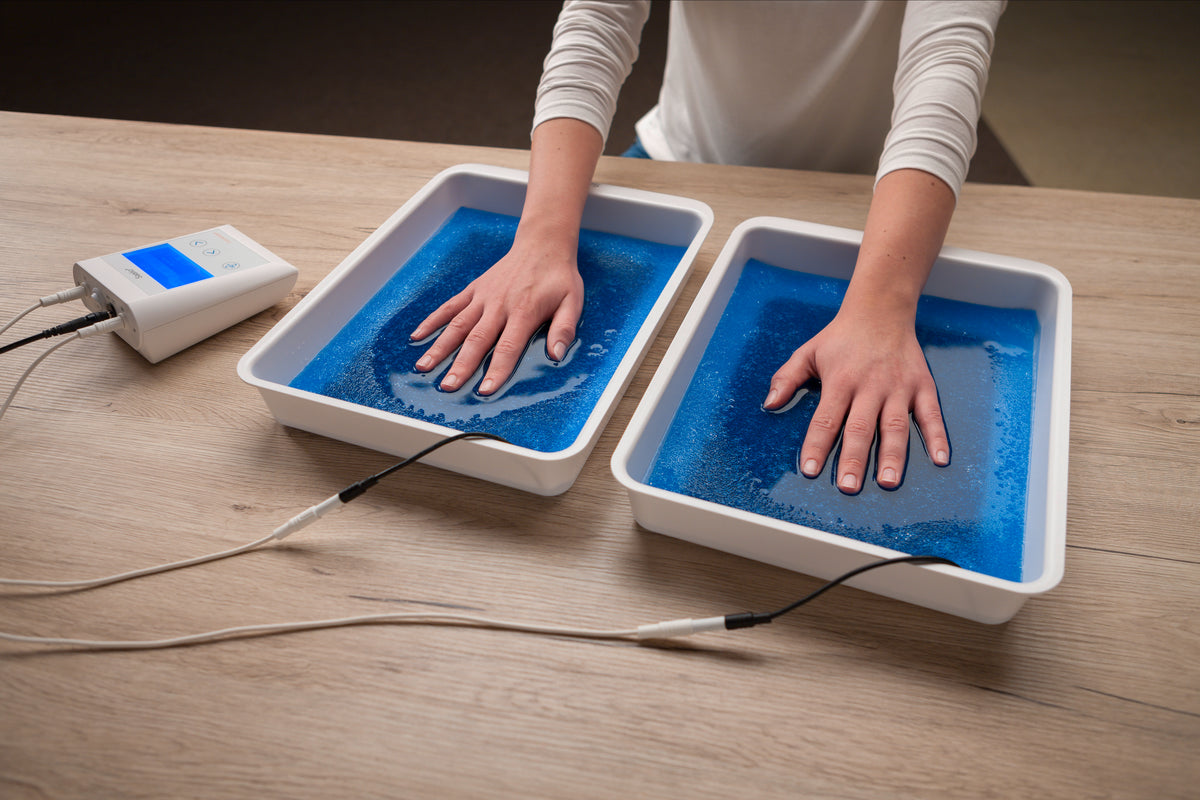
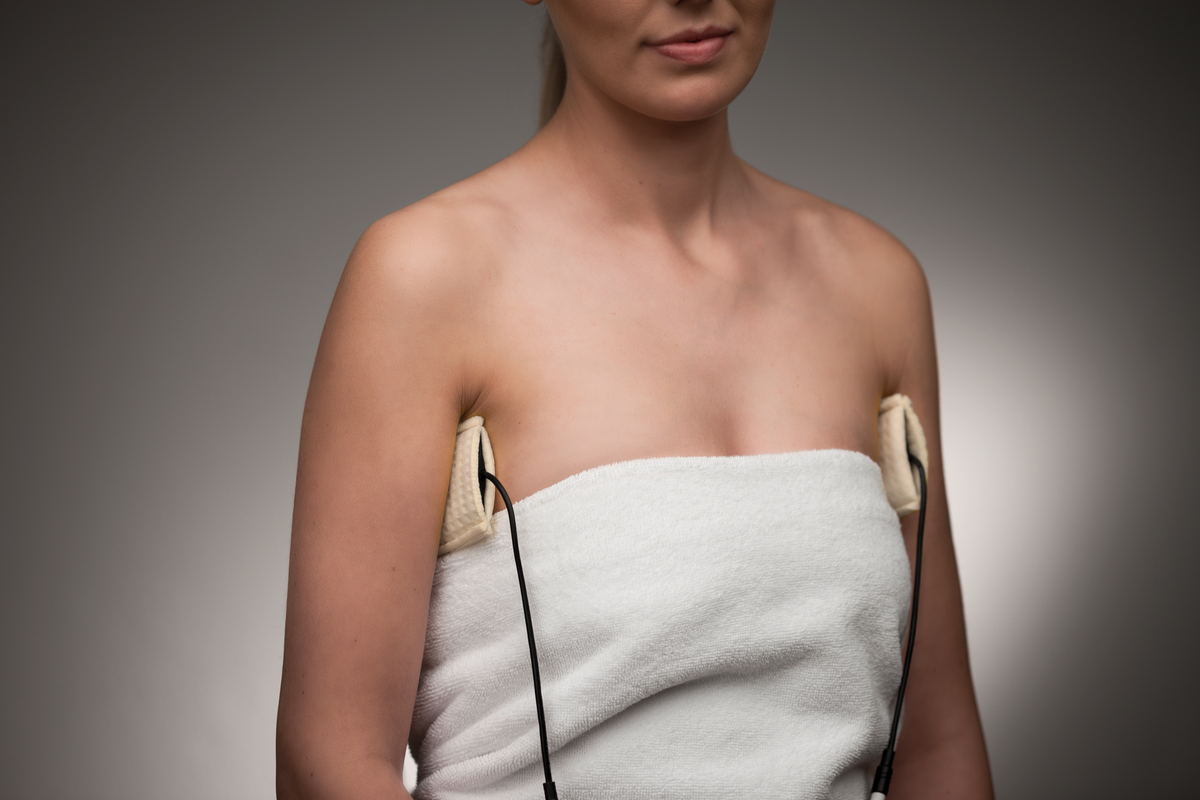
For people managing moderate to severe sweating of the hands, feet, or underarms, iontophoresis offers a well-established, clinically proven solution. Now, with leading devices such as Saalio®, this advanced technology, trusted by thousands worldwide, is now available in Australia and New Zealand.
Iontophoresis uses a controlled, gentle electrical current passed through tap water to help calm overactive sweat glands. This method temporarily disrupts the signals between nerves and sweat glands, resulting in significantly less sweating for most users. It's a safe, non-invasive, and medication-free approach, providing relief that can be maintained long term with regular sessions. Maintenance is typically once weekly for 15 to 20 minutes, though many people find they can go weeks between sessions as their response builds over time. Many people notice improvement within two weeks.
Knowing you're using a globally recognised treatment can offer comfort and reassurance as you take steps towards managing your symptoms and regaining confidence in daily life.
Topical Treatments
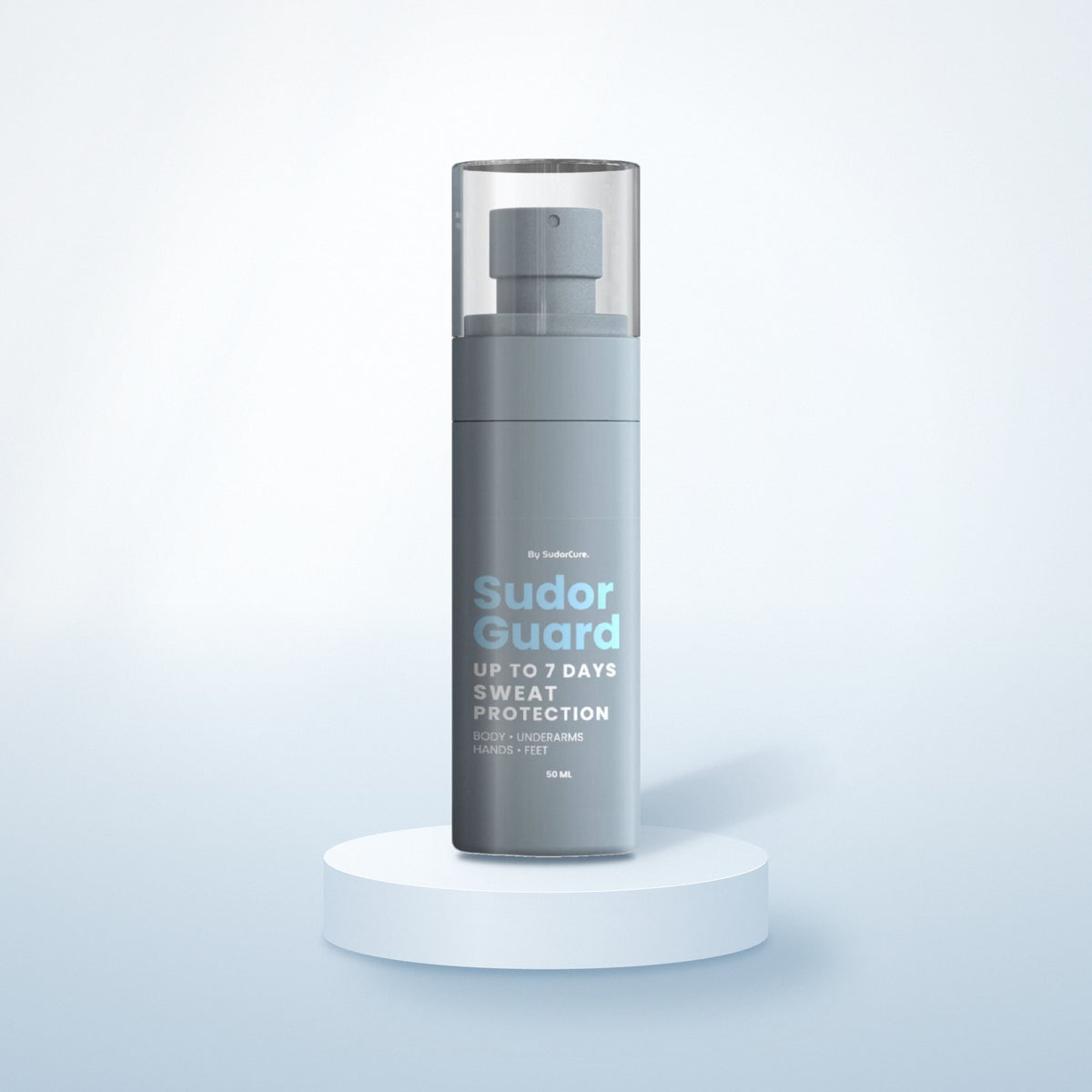
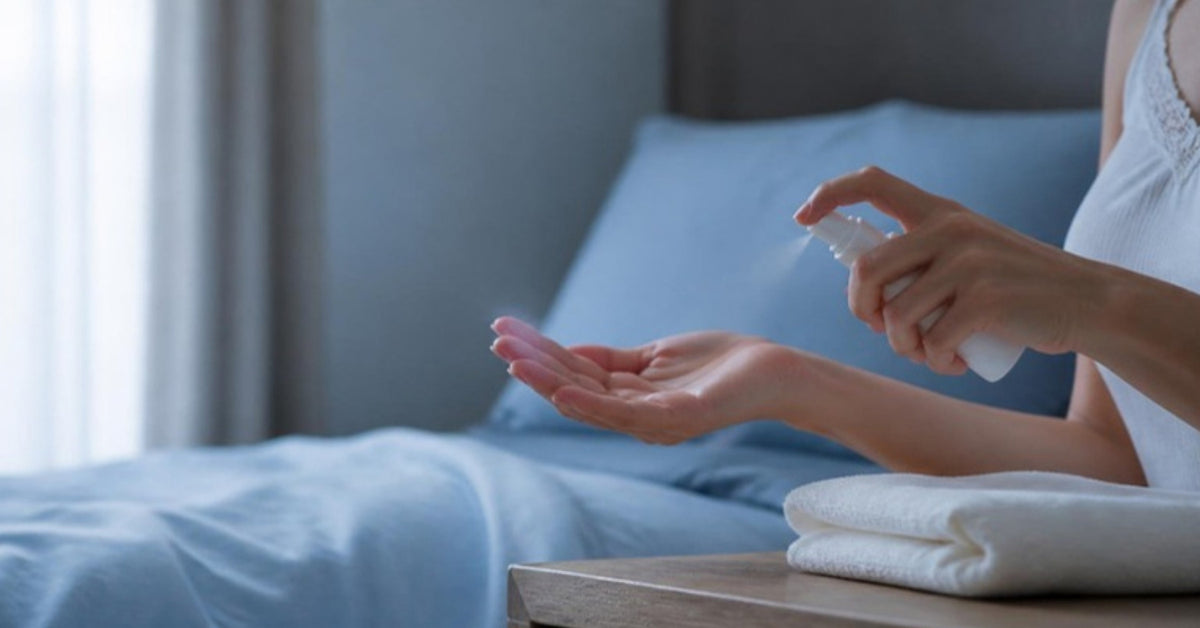
For milder cases or localised sweating, a clinical-strength antiperspirant can be a great first step. Products such as SudorGuard use ingredients like aluminium chlorohydrate to temporarily block sweat ducts. For best results, these should be applied at night when sweat glands are less active.
Living with Hyperhidrosis
In addition to medical treatments, small changes to your daily habits can help you feel more comfortable.
- Identify triggers: While primary hyperhidrosis occurs without a trigger, factors such as stress, caffeine, alcohol, and spicy foods can make sweating worse.
- Choose the right fabrics: Opt for breathable, natural fibres like cotton, wool and bamboo, which allow better airflow than synthetic materials.
- Stay hydrated: It might seem counterintuitive, but drinking water can help cool your body, potentially lowering the trigger for sweat production.
You Are Not Alone
Hyperhidrosis is more than a physical concern; it can affect your emotional wellbeing and social confidence. It is important to remember that this is a treatable medical condition, not a hygiene issue.
At SudorCure, we are committed to helping you find relief. Whether you wish to start with a specialised antiperspirant or explore the long-term benefits of a Saalio® iontophoresis device, we are here to support you on your path to dryness.
Ready to take control? Explore our range of hyperhidrosis solutions today.