Iontophoresis FAQ: Your Most Common Questions Answered

If you are new to iontophoresis, you probably have questions. Here are the ones we hear most often about how iontophoresis works, answered clearly and without jargon.
How does iontophoresis actually reduce sweating?
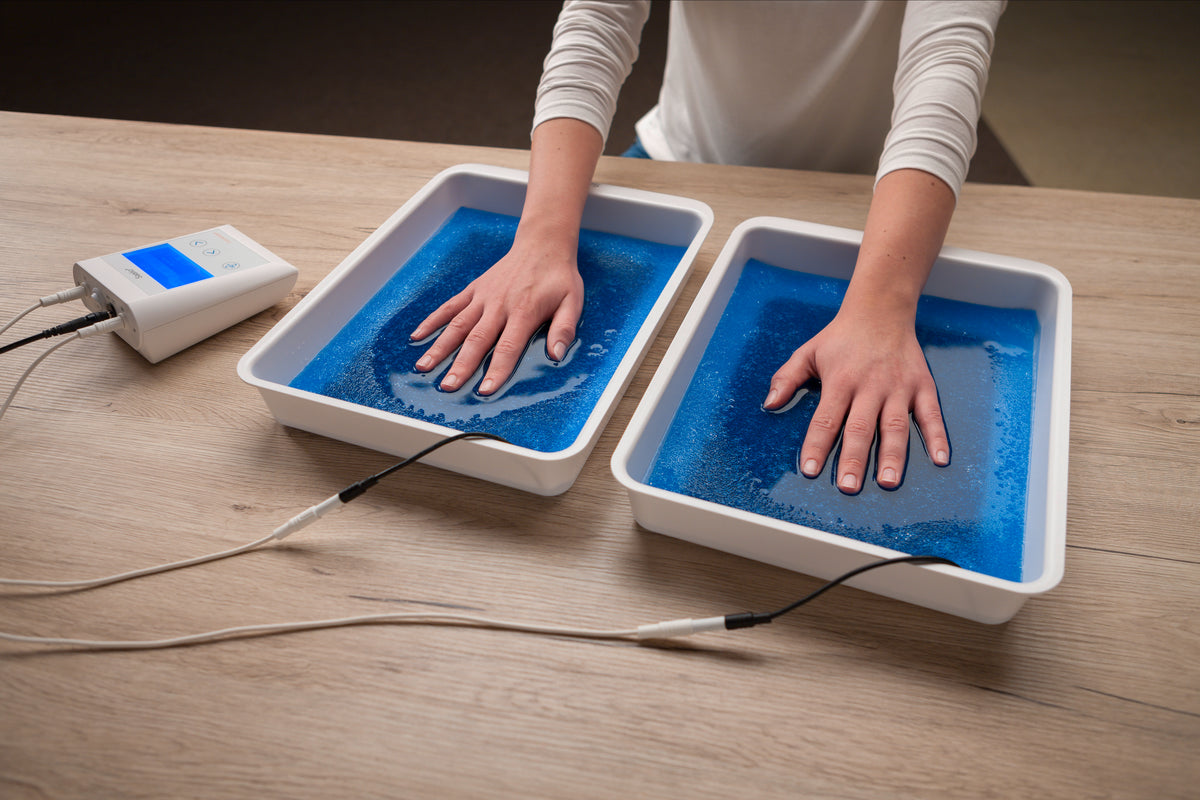
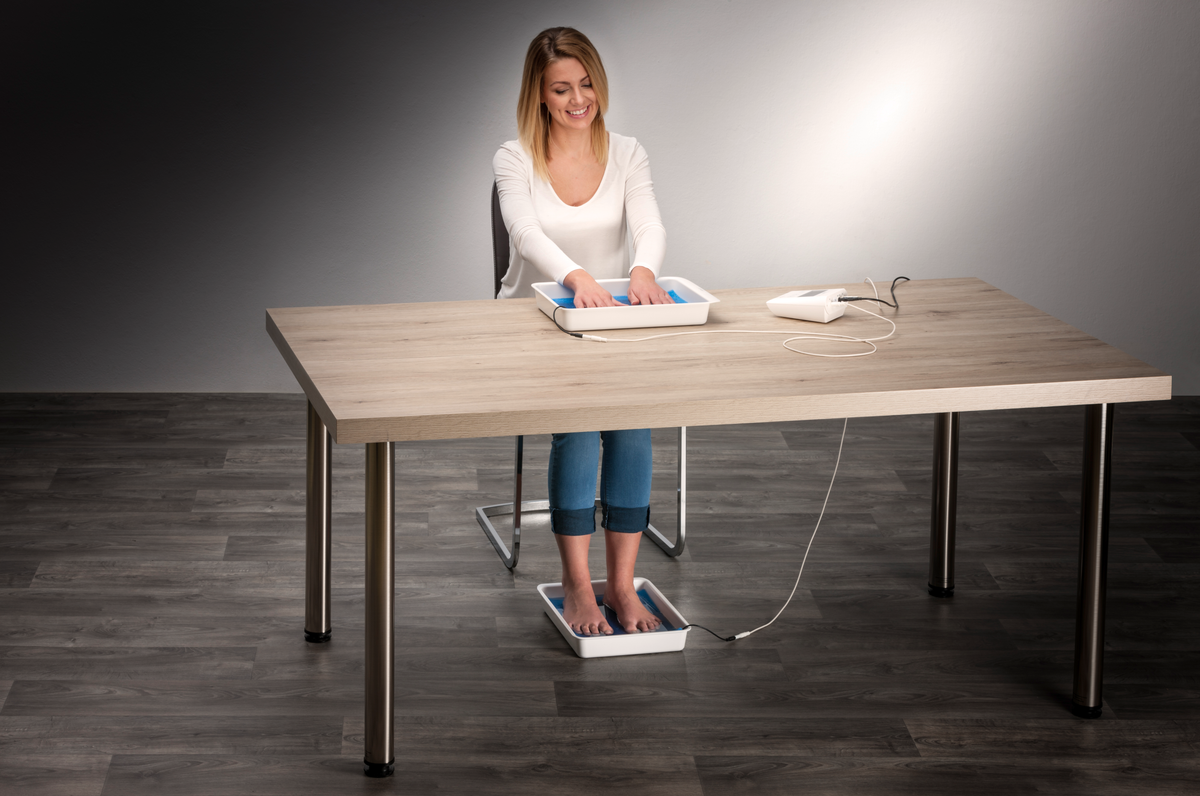
It passes a mild electrical current through tap water to the affected area, whether hands, feet, or underarms. The most widely accepted explanation is that this current temporarily disrupts the nerve signals that trigger the sweat glands, reducing their output. The glands themselves are not damaged, and the effect builds over time with consistent sessions.
How long does it take to see results?
Most people notice a meaningful reduction in sweating within the first 2 to 4 weeks of regular treatment. Some see changes earlier and others take the full initial phase, but consistency is the single most important factor.
What does a session feel like?
A mild tingling is normal and expected. You adjust the current to a level that feels comfortable on the Saalio® device, and if you feel sharp stinging or burning the current is too high and should be reduced. A session should never be painful.
How long is each session?
At least 15 minutes per area in the initial phase. In AUTO mode, where the current direction reverses halfway through, 15 to 20 minutes is typical. In the maintenance phase, 15 to 20 minutes per session.
How often do I need to treat?
In the initial phase, at least every second day with a rest day in between, or daily if your skin tolerates it well, continuing until sweating has reduced to the level you want, which is roughly 4 to 6 weeks for most people. In maintenance, about one session a week is typical, and some people do well with a single session every ten days once their response is established. Many find they can extend the gap between sessions further over time.
Is tap water fine to use?
Yes. Regular tap water is exactly what is needed, because it carries the ions the treatment relies on. Distilled or heavily filtered water does not carry enough charge to work.
Can it be used for underarms as well as hands and feet?
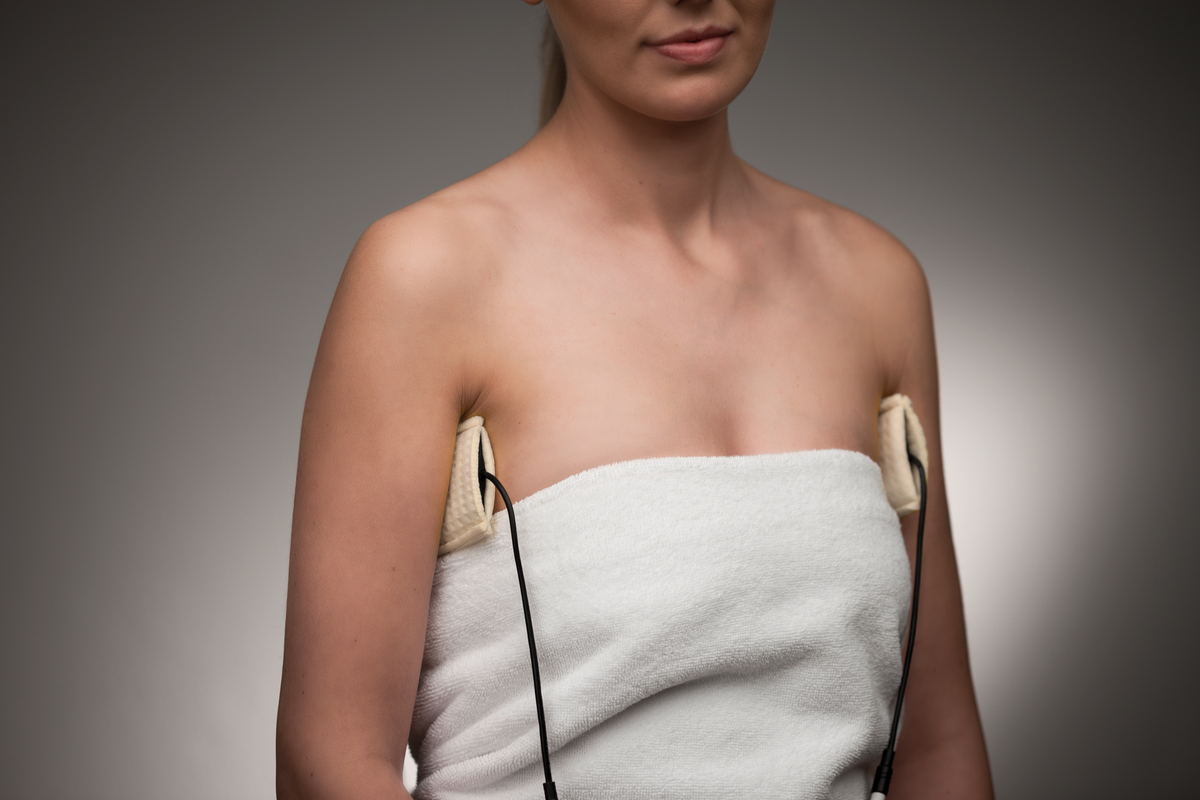
Yes. The Saalio® AX and 3-in-1 are configured for underarm treatment, using soaked sponge electrode pouches shaped for the underarm.
What about people with sensitive skin?
The Saalio® offers a pulsed current mode, which delivers a gentler, interrupted current suited to sensitive skin. Starting at a lower intensity and building up gradually helps too. If persistent irritation occurs, email us at hello@sudorcure.com and we can suggest adjustments.
Who should not use iontophoresis?
Iontophoresis is not appropriate for people with a pacemaker, implanted metal in or near the treatment area, cardiac arrhythmia, or epilepsy, or where there is an active skin condition in the treatment area. Pregnancy is also a contraindication. If you are unsure whether any of these apply to you, speak with a health professional before starting.
Can I use iontophoresis alongside other treatments?
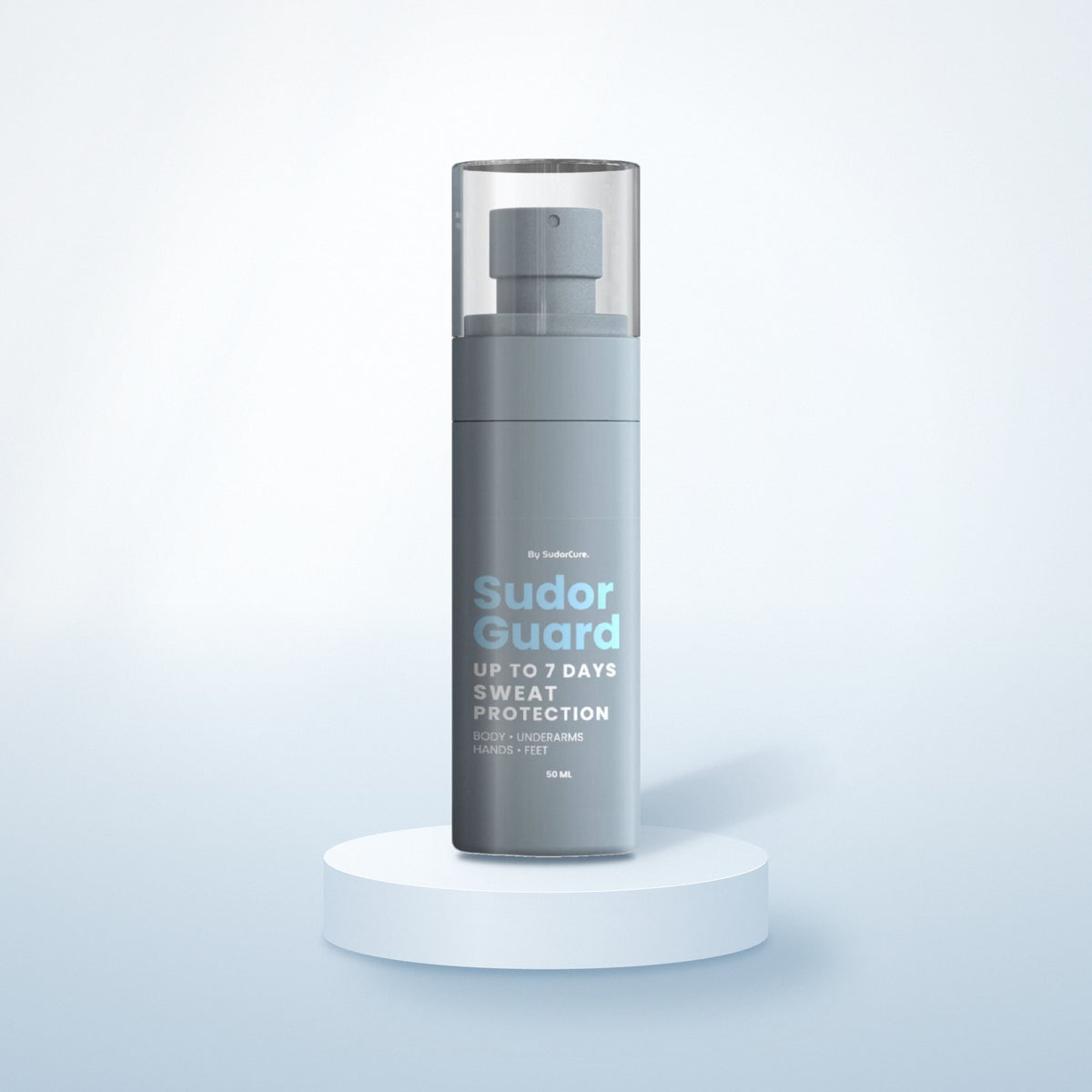
Generally yes. Iontophoresis is effective on its own, so you don't need an antiperspirant alongside it. Some people use SudorGuard on areas they are not treating. If you are treating your underarms, leave antiperspirant off them for at least five days before a session. If you take prescription medication or are considering other treatments, check with your prescriber or specialist so there are no interactions.
Can more than one person use the same device?
Yes. A Saalio® device can be shared within a household, since each person uses their own water and the current settings are quick to change between users. Sensible hygiene with the trays and sponges between people is all that is needed.
How do I care for the electrodes and sponges?
Rinse and dry the trays after use, and replace sponge pouches as they wear, since worn electrodes deliver current less evenly. Looking after them is a small habit that keeps sessions consistent over the years a device is in use.
Do I need a prescription or referral?
No. The Saalio® is available to buy or hire without a referral or prescription. Speaking with a dermatologist about your hyperhidrosis can be worthwhile, but it is not a requirement to start iontophoresis through SudorCure.
What if my sweating returns during maintenance?
If sweating returns, it usually means sessions have become too infrequent for your current needs. Going back to daily or every-other-day sessions for one to two weeks typically restores results without restarting the full initial phase. Season, travel, and lifestyle changes can all temporarily raise how often you need to treat.
Does iontophoresis work for everyone?
Most people with primary focal hyperhidrosis of the hands, feet, or underarms see meaningful improvement, though some respond faster than others and it is not a guarantee for every individual. If you complete the initial phase consistently and do not see the improvement you hoped for, it is worth emailing us at hello@sudorcure.com to review your technique, settings, and approach before drawing conclusions.
Still weighing it up? You can explore the Saalio® Hands and Feet device or trial any device through the Hire Program before you buy, and we are always happy to answer questions at hello@sudorcure.com.
References
- Saalmann Medical GmbH & Co. KG. (2023). Saalio® User Manual (Version R23). Bad Oeynhausen, Germany.
- Pariser, D. M. (2014). Hyperhidrosis (4th ed.). Elsevier.
- International Hyperhidrosis Society. (2023). Iontophoresis. Retrieved from www.sweathelp.org