Three Months In: What Progress Should Look Like and How to Stay on Track
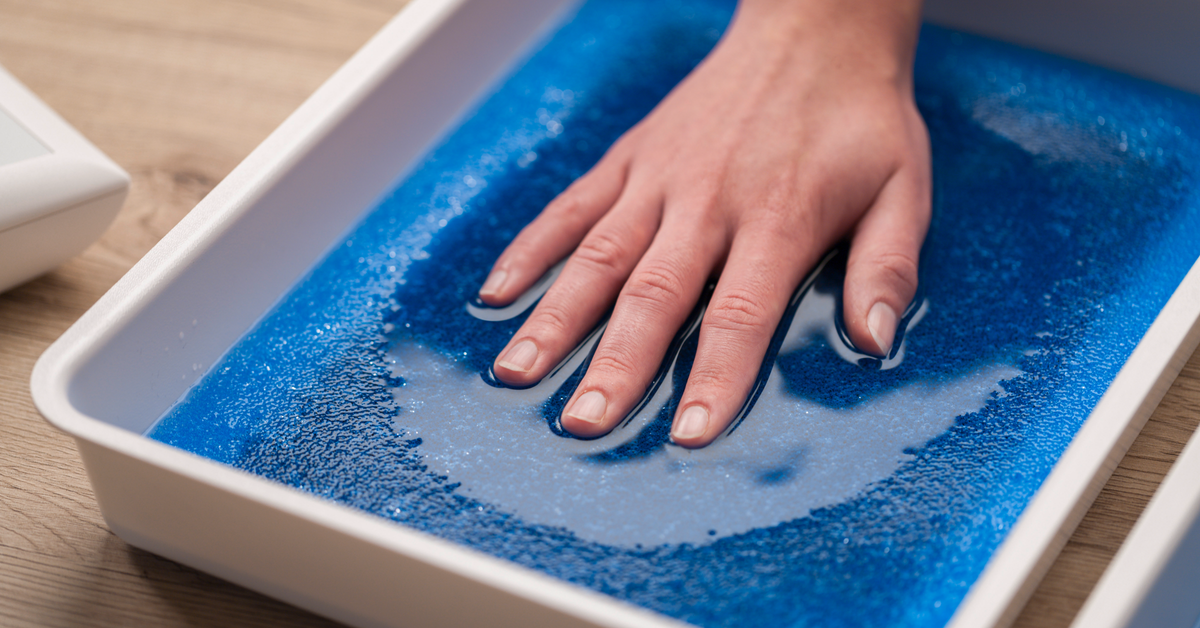
Three months is a meaningful marker in any treatment routine. By this point you have usually completed the initial phase, settled into maintenance, and started seeing real results. This post is for that stage: the reassurance of knowing what is normal, and a practical checklist if progress has stalled. Here is a realistic picture of what progress looks like at this stage with iontophoresis, and what to do if things are not quite where you would expect.
What Progress Typically Looks Like at Three Months
If treatment has gone well, three months in usually means:
- Sweating in the treated areas has reduced substantially. Most people describe it as much less, and many experience very little.
- You are in maintenance mode, doing about one session of 15 to 20 minutes a week rather than the every-second-day or daily initial-phase routine.
- The mental load has eased. The planning and monitoring that used to happen automatically no longer consumes the same energy.
- Situations that once triggered real anxiety around sweating feel easier, not because the situation changed, but because the physical experience in it has.
Some people reach this point sooner and others take a few weeks longer, and both are normal. Individual response is shaped by current settings, consistency, and the nature of the condition in each person.
Signs Treatment Is Working
Beyond the obvious drop in sweating, a few things tend to confirm it is taking effect: clothing stays drier, the need for backup strategies like carrying a tissue or keeping hands in pockets falls away, and confidence in the situations that used to be hardest starts to return. These changes are often gradual, which is why reflecting at the three-month mark, rather than judging day to day, is so useful. A simple habit is to jot a quick note each week on how dry the treated areas feel; small week-to-week gains are easy to miss in the moment but obvious across a couple of months.
If Results Are Not Where You Would Like
If you are not seeing the reduction you hoped for, a few things are worth checking before concluding it is not working:
- Current intensity. The target is a clear, comfortable tingling, perceivable but never painful. If you have kept the current very low to avoid any sensation, try increasing it gradually over several sessions. Our safety guide explains why this is safe.
- Session regularity. Maintenance needs to be steady. A burst of sessions one week and none the next does not hold the effect; returning to a consistent one session a week usually restores progress, and regularity matters more than duration.
- Polarity reversal. Alternating the current direction, or using the AUTO setting, is important throughout treatment, from the initial phase onward. Skipping it can leave treatment uneven across a limb, so check your device settings if you are unsure.
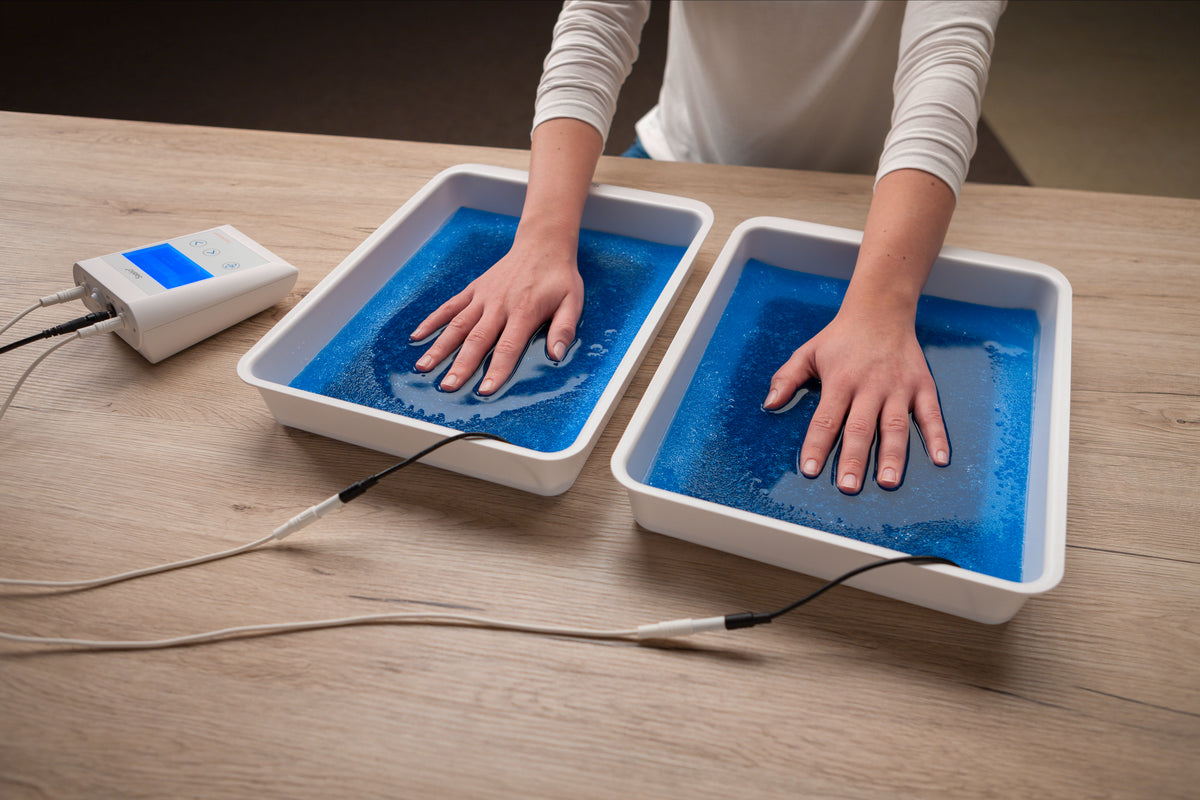
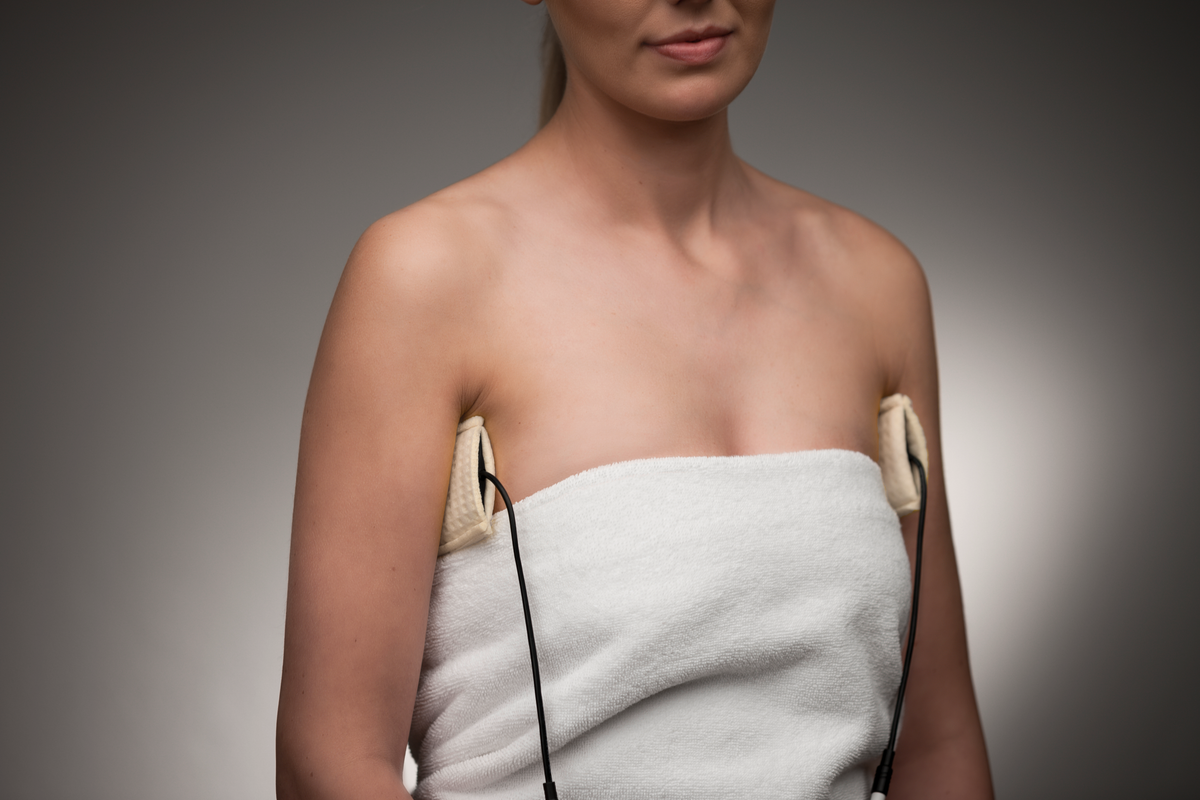
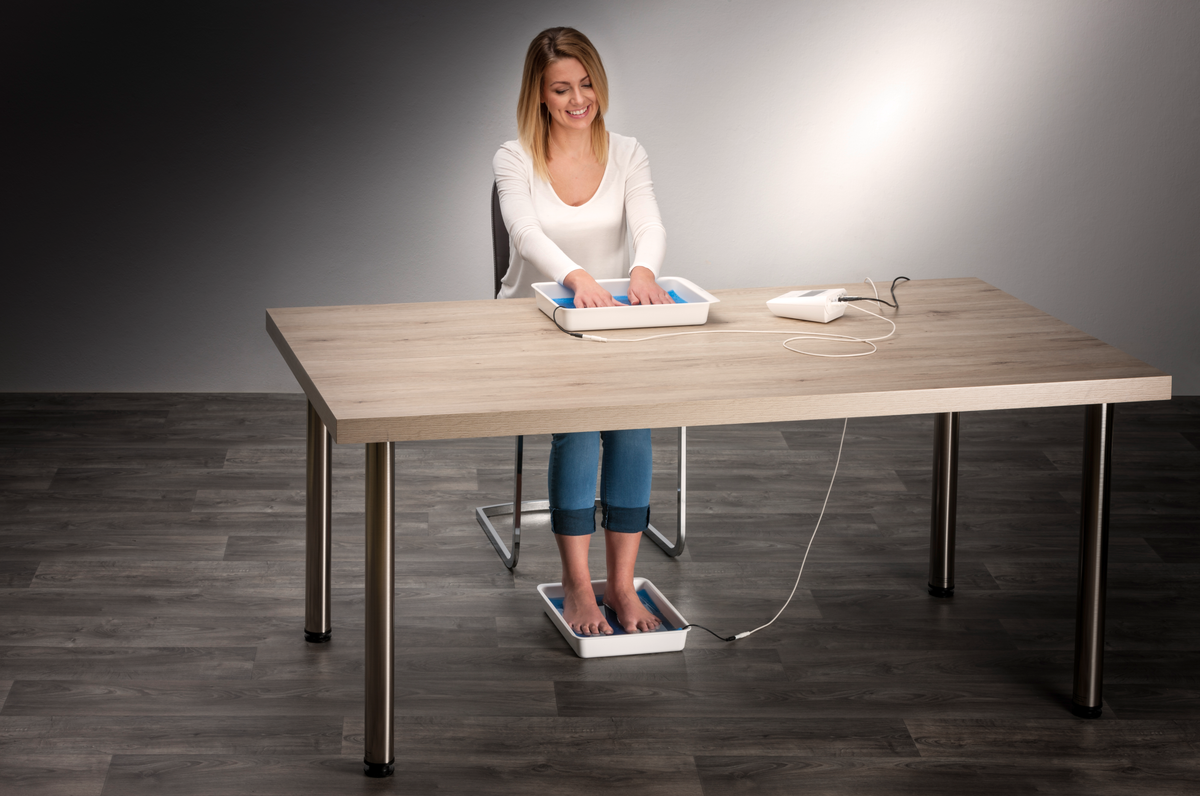
- Electrode contact and prep. For hands and feet, good water contact and correct placement matter; for underarms, the sponge pouches should be thoroughly soaked and positioned well before each session.
Thinking About the Seasons
Three months is also a natural point to consider seasonal adjustments. Heading into summer, many people add one extra session a week as heat lifts sweat gland activity; heading into winter, some find they can ease off slightly and still hold their results.
How to Keep the Habit
The people who hold their results longest tend to make treatment automatic rather than a decision each time. Fixing sessions to set days, pairing them with something you already do such as an evening show or podcast, and keeping the device somewhere visible rather than packed away all make the routine far easier to sustain through busy weeks.
The Long View
Iontophoresis is a long-term treatment, not a one-time fix. Most people who use it consistently, whatever Saalio® model they run, describe it becoming a natural part of their routine: a small, regular commitment that keeps a significant problem well under control. Over the following months many find they can reduce maintenance frequency as their response settles into a new baseline, and some go weeks between sessions. The goal at three months is exactly that, a sustainable routine that works around your life.
Getting Support
If you are three months in and something is not quite right, or you would just like a second set of eyes on your routine, email us at hello@sudorcure.com. We are happy to review your settings, session structure, and anything else that might explain inconsistent results, and many issues are straightforward to sort out once identified.
References
- Saalmann Medical GmbH & Co. KG. (2023). Saalio® User Manual (Version R23). Bad Oeynhausen, Germany.
- Togel, B., Greve, B., & Raulin, C. (2002). Current therapeutic strategies for hyperhidrosis. European Journal of Dermatology, 12(3), 219 to 223.
- International Hyperhidrosis Society. (2023). Iontophoresis. Retrieved from www.sweathelp.org