Can Hyperhidrosis Get Better Over Time? What the Evidence Says

It is a question a lot of people with hyperhidrosis quietly wonder about: will this get better on its own? Here is an honest, evidence-based answer, and why starting treatment rather than waiting is usually the better path.
Can Hyperhidrosis Improve With Age?
Spontaneous improvement in primary hyperhidrosis does occur in some people. There is evidence that sweating intensity can ease somewhat in later adulthood, and some research suggests palmar hyperhidrosis in particular may become less severe for certain people in their thirties and beyond. That said, meaningful spontaneous resolution is uncommon. For most people the condition does not simply go away, and waiting for it to means living with its impact on daily life for years without relief. Primary focal hyperhidrosis is thought to involve an overactive sympathetic nervous response, and for most people that tendency persists rather than switching off. Onset is often in childhood or adolescence, and symptoms commonly continue into and through adulthood unless treated.
What Does Change Over Time
A few things can shift naturally with age. Hormonal changes across different life stages affect sweating patterns for some people. Emotional maturity and personal coping strategies can also reduce the anxiety component that amplifies symptoms. For women, post-menopausal hormonal changes can bring some improvement in certain forms of hyperhidrosis, though menopause itself can introduce new and separate sweating challenges. These changes are gradual and highly variable between individuals, so they are not something to rely on as a plan. What is reliable is that effective treatment now produces consistent relief now, on a predictable timeline. The anxiety point matters because a good deal of day-to-day sweating in social settings is amplified by anticipation, so as coping improves that amplification can ease even when the underlying tendency has not.
When the Cause Is Something Else
It is worth separating primary focal hyperhidrosis from secondary hyperhidrosis, where the sweating is driven by another factor such as a medication, an overactive thyroid, or another medical condition. Secondary sweating can change, sometimes markedly, if the underlying cause is identified and addressed. That is one reason a GP review is worthwhile if your sweating is generalised across the whole body, began suddenly, or happens mainly at night.
Why Waiting Is Not a Strategy
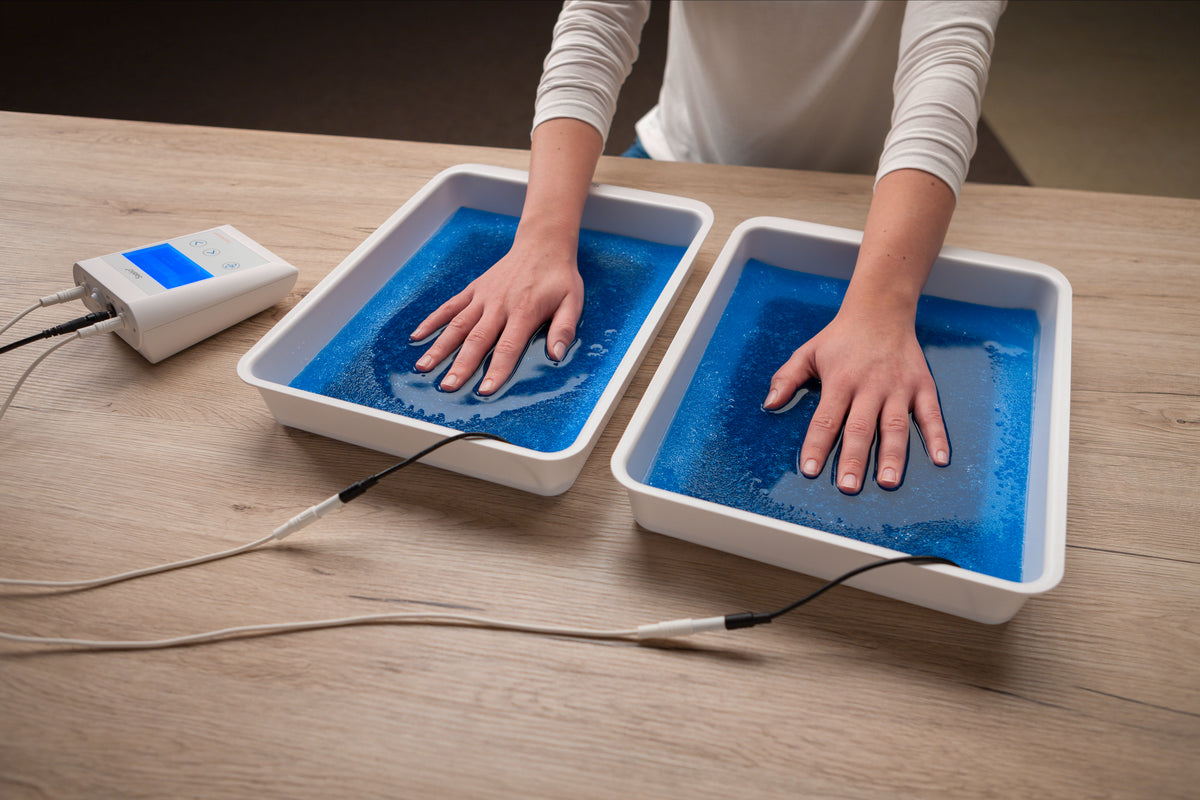
If hyperhidrosis is affecting your quality of life now, your confidence, your work, your daily comfort, there is little to gain from waiting and hoping. Effective treatment is available today, and for most people iontophoresis produces a meaningful reduction in sweating within the first two to four weeks, with the initial phase running about 4 to 6 weeks. That is reliable relief now, on a predictable timeline, rather than uncertain improvement at some undefined point in the future. Every year spent waiting for spontaneous improvement is a year of professional and social impact that treatment could have reduced. The impact also tends to compound, as avoided situations harden into habits and the anxiety around them settles in, so treating the sweating earlier gives those patterns less time to take hold.
Does Treatment Ever Become Lighter Over Time?
For some people, yes. As the condition naturally moderates with age, the maintenance frequency needed can reduce over time. Some find that by their forties or fifties they need noticeably fewer sessions than in their twenties to hold the same level of control, and a small number find they can space sessions very widely or pause without sweating returning to a problematic level. The key variable is consistency rather than age: a steady routine through the initial phase is what tends to set up those lighter maintenance years. This varies considerably and is not predictable in advance, but it is a genuine reason for optimism: treatment now does not necessarily mean treatment forever at the same intensity. People who build iontophoresis into a sustainable routine tend to keep strong results over the long term, and many go weeks between sessions as their response builds.
Where to Start
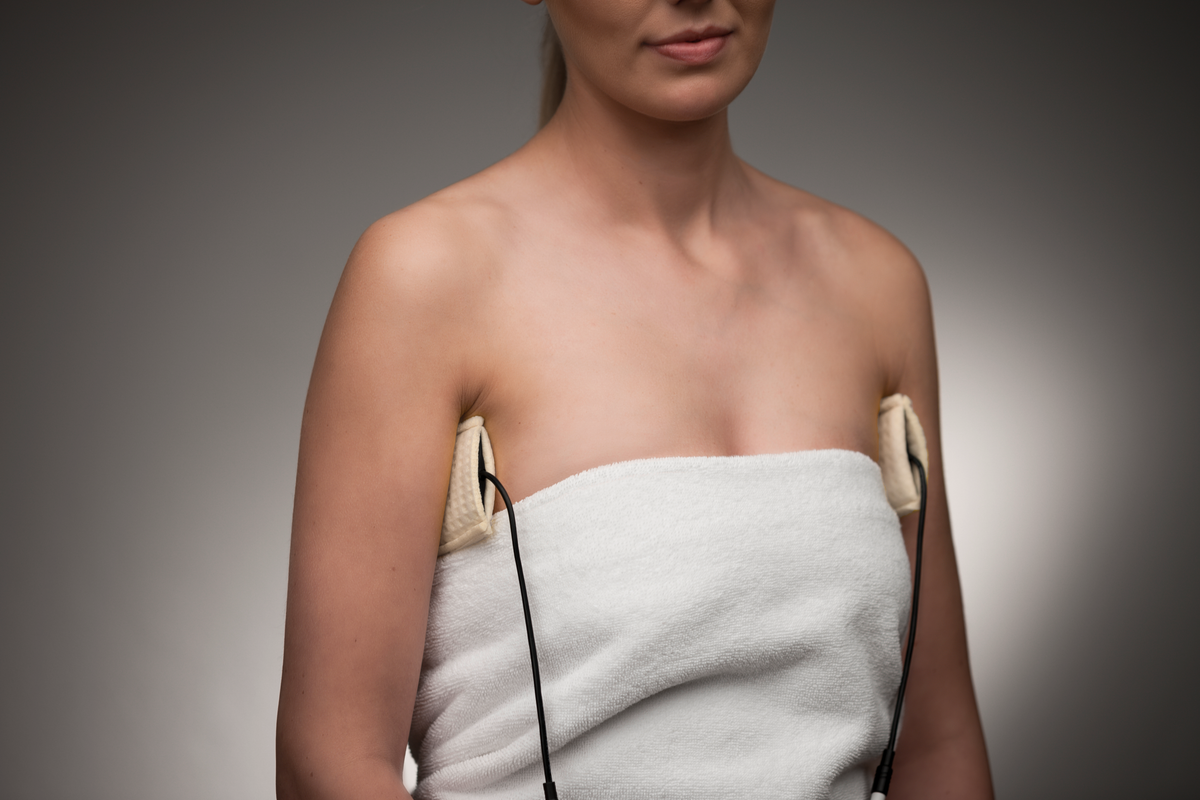
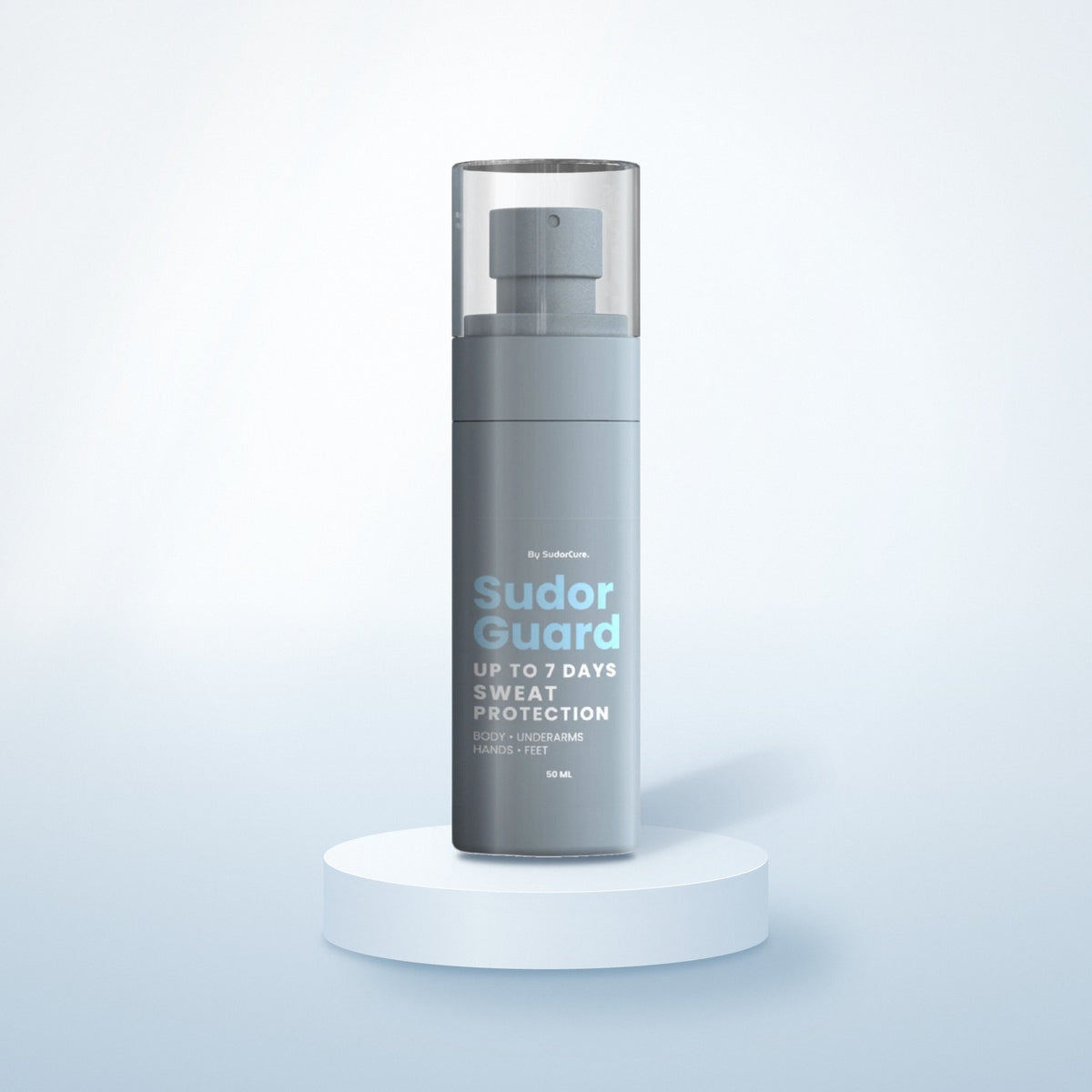
If you have been living with hyperhidrosis and have not yet tried effective treatment, the most useful first step is simply to understand your options, which our treatments compared guide lays out. For hands and feet, iontophoresis through the Saalio® range is a practical, non-invasive starting point with a strong evidence base. For underarms, SudorGuard is a sensible first step, with iontophoresis as the next level. The Saalio® Hire Program lets you try before you buy and removes the financial risk from that first step, and you are always welcome to email us at hello@sudorcure.com for guidance on where to start.
References
- Strutton, D. R., et al. (2004). US prevalence of hyperhidrosis. Journal of the American Academy of Dermatology, 51(2), 241 to 248.
- Ro, K. M., et al. (2002). Palmar hyperhidrosis: evidence of genetic transmission. Journal of Vascular Surgery, 35(2), 382 to 386.
- International Hyperhidrosis Society. (2023). Does hyperhidrosis get better? Retrieved from www.sweathelp.org