Iontophoresis vs Botox for Hyperhidrosis: What Is the Difference?

Two of the most effective non-surgical treatments for hyperhidrosis are iontophoresis and botulinum toxin (botox) injections. Both are well-established and both work, but they suit different situations. Here is a clear-headed comparison to help you understand which might be the better starting point for you.
How Iontophoresis Works
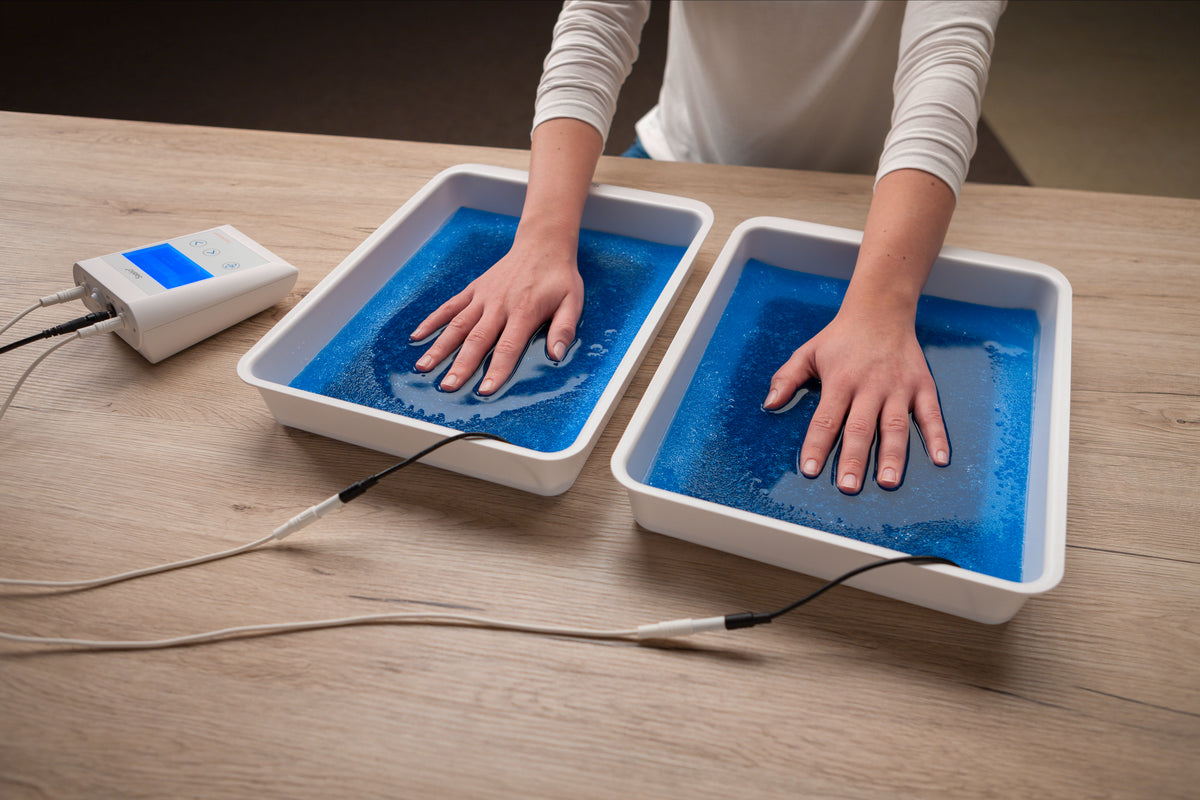
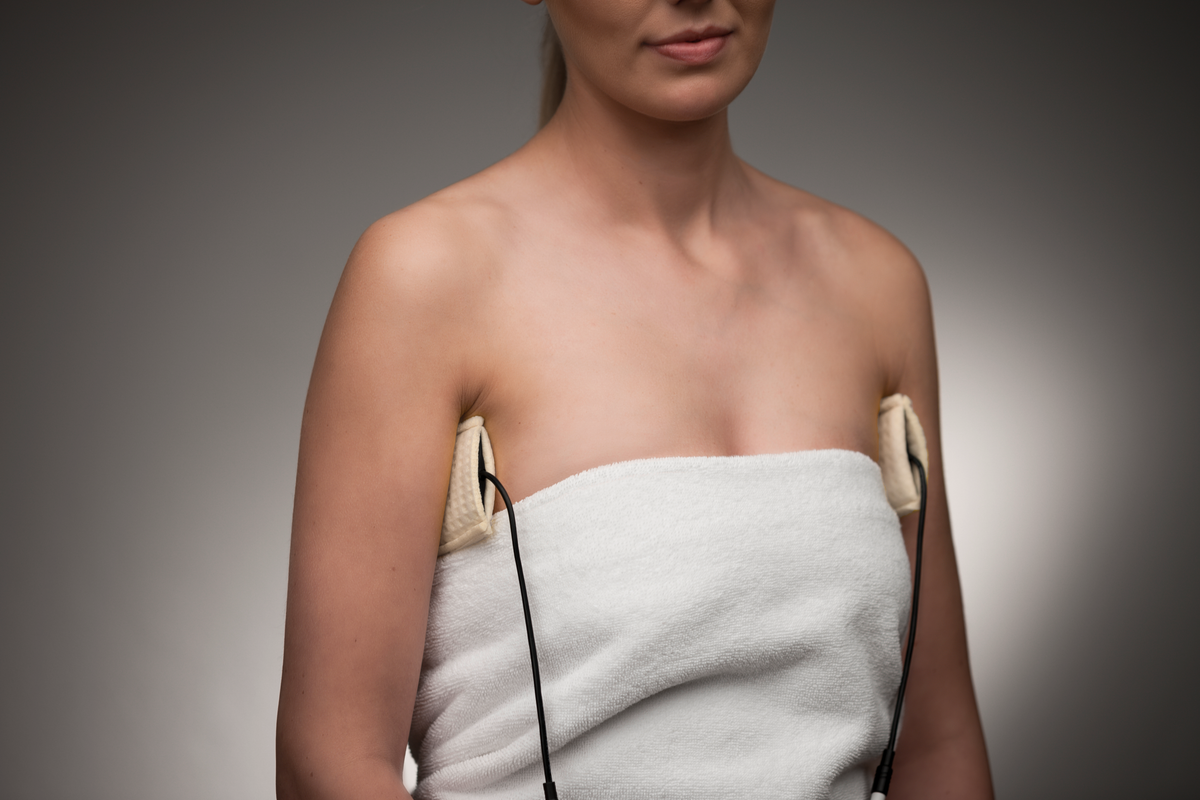
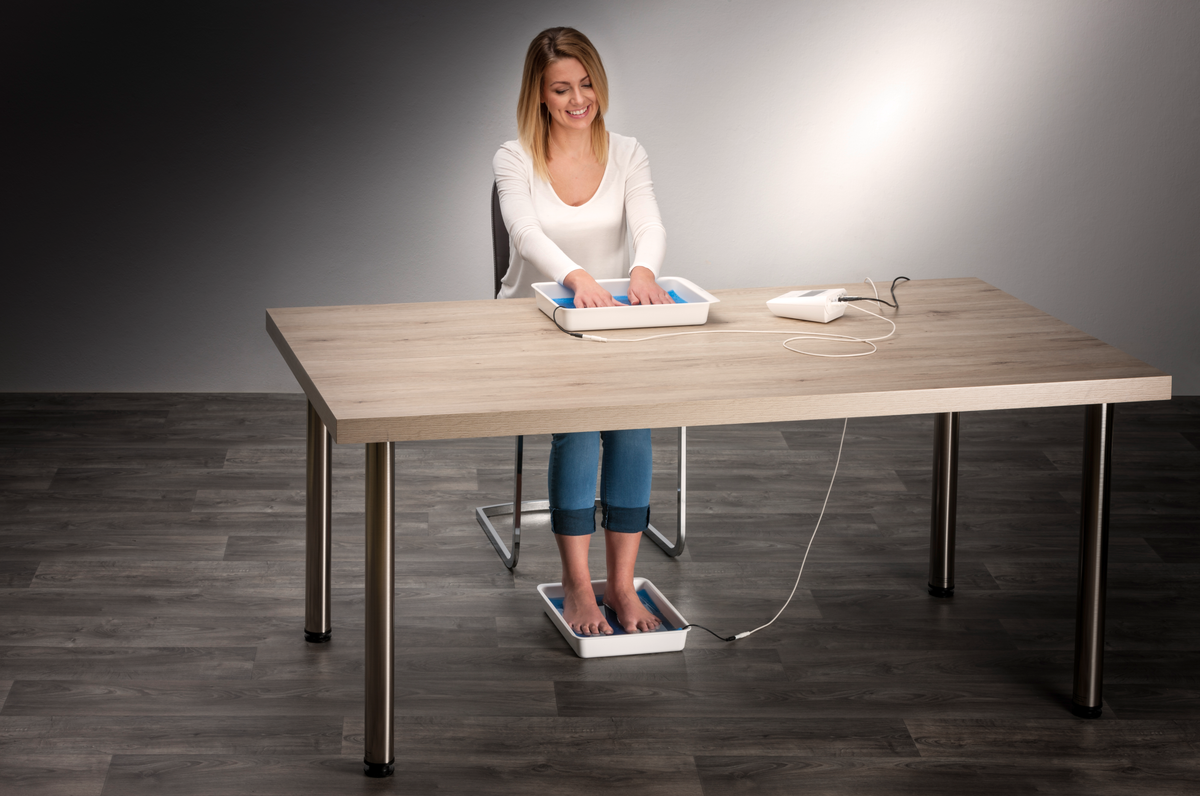
Iontophoresis delivers a mild electrical current through tap water to the treatment area. For hands and feet, this means placing them in water trays. For underarms, soaked sponge electrodes are used. Over the initial treatment phase, this process temporarily disrupts the nerve signalling that causes excessive sweating.
The effect is reversible, which is why regular maintenance sessions are needed to sustain results. It is drug-free, non-injectable, and can be performed at home with a medical-grade device like the Saalio®. There are no systemic side effects, and ongoing cost after the initial device investment is minimal. The Saalio® iontophoresis device is SudorCure's medical-grade home treatment option.
How Botox Works for Hyperhidrosis
Botulinum toxin injections block the receptors responsible for activating sweat glands in the treated area. When injected into the underarms, palms, or feet, they can dramatically reduce sweating for approximately 4 to 6 months before effects wear off and repeat treatment is needed. They are administered by a medical professional, typically a dermatologist or cosmetic physician.
Comparing the Two
Effectiveness. Both treatments are clinically effective. For hands and feet, iontophoresis is generally the first-line recommendation before botox is considered. For underarms, both are well-established options. Iontophoresis is consistently shown to be highly effective for palmoplantar (hands and feet) hyperhidrosis, with studies reporting improvement in 81 to 91% of patients. For underarms, botox can deliver faster initial results, but iontophoresis remains a first-line recommendation due to its non-invasive nature and long-term sustainability.
Cost over time. Iontophoresis has an upfront device cost, or a low-cost hire option, with minimal ongoing expense after that. Botox requires repeat clinic visits every 4 to 6 months at a cost that typically runs into several hundred dollars per session. Over a 3-year period, iontophoresis is significantly more cost-effective.
Convenience. Iontophoresis is a home-based treatment with no clinic visits needed after setup. Botox requires regular appointments and depends on clinic availability. Palm injections can be uncomfortable due to the sensitivity of the area.
Side effects. Iontophoresis side effects are localised and minor: temporary redness, tingling during sessions, or dry skin. Botox is generally well tolerated but involves injections and carries a small risk of injection-site side effects, and in rare cases temporary muscle weakness. For palmar hyperhidrosis specifically, the density of nerve endings in the hands means botox injections are often more uncomfortable than in other areas, and a nerve block is sometimes required, adding complexity and cost to each session.
Which One Should You Start With?
For most people with hyperhidrosis of the hands or feet, iontophoresis is the recommended first-line non-invasive treatment before botox is considered. It is non-injectable, can be done at home, and is far more cost-effective over time. For underarms, both are established options, and the decision often comes down to preference for a home-based routine versus clinic-administered results.
Botox may be worth considering if you have completed a full iontophoresis initial phase with limited results, if your sweating is severe and you need faster initial results, or if your primary area is underarms and you prefer a low-maintenance clinic-based option. A dermatologist can help assess which option suits your situation.
Combining Both Treatments
It is not unusual for people to use both. The Saalio® 3-in-1 makes this particularly practical, treating all three areas with a single device, while botox handles underarms if preferred.
Cost Comparison Over Time
Over a three-year horizon, the cost difference is significant. Iontophoresis requires an upfront device purchase, or a low-cost hire period to try first, with no ongoing per-session costs. Botox for palmar or plantar hyperhidrosis, where there is no Medicare rebate, can cost $1,190 per session for feet alone, with most patients needing two to three sessions per year. The Saalio® device pays for itself within the first year compared to botox for hands or feet.
For underarm botox where a Medicare rebate applies, the calculation is different. Eligible patients pay only a small out-of-pocket cost per session, making it a more competitive option financially. Even so, iontophoresis remains attractive for its home-based convenience and the absence of injections.
Some people choose iontophoresis for their hands and feet and botox for their underarms, which comes down to personal preference. There is no contraindication to using both, and a combined approach can give effective coverage across multiple treatment areas. If you are weighing up your options and want to talk it through, email us at hello@sudorcure.com and we are happy to help guide you toward the right starting point.
Iontophoresis is a clinically backed, drug-free alternative to botox that you can do at home. With iontophoresis, maintenance is typically once weekly for 15 to 20 minutes, and many find they can go weeks between sessions as their response builds. If you are unsure which starting point is right for you, the Saalio® Hire Program lets you experience results before committing to a purchase.
References
- Mirkovic, S. E., et al. (2018). Treatment of primary hyperhidrosis: a systematic review. Journal of Dermatological Treatment, 29(8), 763 to 769.
- Benson, R. A., et al. (2013). Primary hyperhidrosis, presentation and treatment. JRSM Cardiovascular Disease, 2(1), 1 to 10.
- Saalmann Medical GmbH & Co. KG. (2023). Saalio® User Manual (Version R23). Bad Oeynhausen, Germany.