miraDry in Australia: Cost, Results and What to Try First
If underarm sweating has been part of your life for years, you have probably come across miraDry. It promises fewer sweat glands after one or two clinic visits, and that is an appealing idea when you are tired of planning your clothes around it. miraDry is a real, studied treatment, but it is also expensive, it comes with recovery time, and it only treats the underarms.
Here is what miraDry involves, what it costs in Australia, what the research shows, and the gentler options most people try first.
What Is miraDry?
miraDry is a clinic treatment for excessive underarm sweating. A handpiece delivers microwave energy through the skin to heat the layer a few millimetres down where the underarm sweat glands sit. The heat destroys the glands, and because sweat glands form before birth, the ones that are treated are not expected to grow back.
That makes miraDry different from most other options. Antiperspirants, iontophoresis and Botox all leave the glands in place and can be stopped at any time. miraDry is designed to be lasting, which is both the appeal and the reason to think it through. Our guide to how sweat blocking works shows where each treatment acts, from the surface of the skin down to the nerves.
How Does miraDry Work on the Day?
The underarm is marked with a temporary template, numbed with local anaesthetic, and treated section by section. The American Society for Dermatologic Surgery describes a session of about 60 minutes. Most people feel a pulling or suction sensation, with the occasional hot spot that lasts a few seconds, and the skin surface is cooled throughout.
Two miraDry sessions are usually recommended, spaced about three months apart, and some clinics note that a small number of people need a third. Afterwards, clinics advise icing the area and avoiding strenuous exercise for a few days. Many people go back to work the next day, but swelling and tenderness can make the first few days uncomfortable.
miraDry Results: What Does the Research Show?
The main miraDry study was a randomised, sham-controlled trial of 120 adults with primary axillary hyperhidrosis, published in Dermatologic Surgery in 2012. Thirty days after their final session, 89% of treated people rated their sweating as unnoticeable or tolerable, compared with 54% of people who had a sham treatment. A sham is a dummy version of the procedure: the same marking, numbing and handpiece, but with no microwave energy delivered. Comparing the two groups shows how much of the improvement came from the treatment itself rather than from simply having a procedure. At 12 months, 69% of treated people still met that mark.
Those are good results, and they are worth reading with some context. The trial was funded by the device's manufacturer, and a later systematic review found only five clinical studies with 189 patients between them, and noted that the sample sizes were small. The reviewers concluded that miraDry may be an effective option, but that more research is needed on long-term efficacy and safety.
What Are the Side Effects of miraDry?
Most side effects are temporary, but they are not trivial. In the 2012 trial, the most common was altered sensation in the treated arm, reported by about one in ten treated people. It usually lasted a few weeks, though in some cases several months. Pain, swelling, small lumps under the skin, blistering and skin irritation were also reported. All but one side effect had settled by the end of the study.
Australian clinics describe underarm swelling, redness and tenderness for several days, sometimes more than a week at higher settings. Rarely, tingling or weakness in the fingers has been reported. Because the treated glands are not expected to come back, it is worth being sure miraDry is the right choice before you book. A dermatologist can talk you through whether you are suitable.
How Much Does miraDry Cost in Australia?
miraDry cost varies between clinics, but the listed prices we found from Australian clinics sit at around $2,600 to $3,100 AUD for a first session. A second session is sometimes offered at a reduced price, and one clinic lists $2,000. With two sessions, a full course can come to around $5,000 AUD or more, plus a consultation fee at some clinics.
miraDry is not covered by Medicare, and at least one clinic notes that private health insurance does not cover it either. That is a large upfront cost for a treatment that only covers the underarms. For comparison, our post on the cost of Botox for underarm sweating in Australia sets out what repeat injections add up to over time.
miraDry in Australia: Is It Right for You?
miraDry in Australia is offered through dermatology and cosmetic clinics, and it suits some people well. It can make sense if your sweating is mainly in the underarms, you have already tried other options properly, and you are comfortable with a treatment that cannot be reversed.
It is less suitable if your hands or feet sweat too, because miraDry is for the underarms only. Hyperhidrosis is estimated to affect around 4.8% of people, primary hyperhidrosis usually begins in childhood or adolescence, and for many people it involves more than one area. Cost, recovery and a lasting change to your skin are all worth weighing against what you have not yet tried.
What Should You Ask a miraDry Clinic?
If you do book a consultation, a few questions help you compare clinics and avoid surprises. Ask who performs the treatment and how many they have done, how many sessions they expect you to need and whether the quoted price covers all of them, and what happens if you need a third.
It is also worth asking what recovery has looked like for their patients, what they do if numbness or tingling lasts, and whether they recommend trying anything else first. A good clinic will be happy to answer all of these before you commit.
What Should You Try Before miraDry?
Most guidance starts with the least invasive options and steps up only if they are not enough. Two of those options can be used at home, without needles, anaesthetic or an operation.
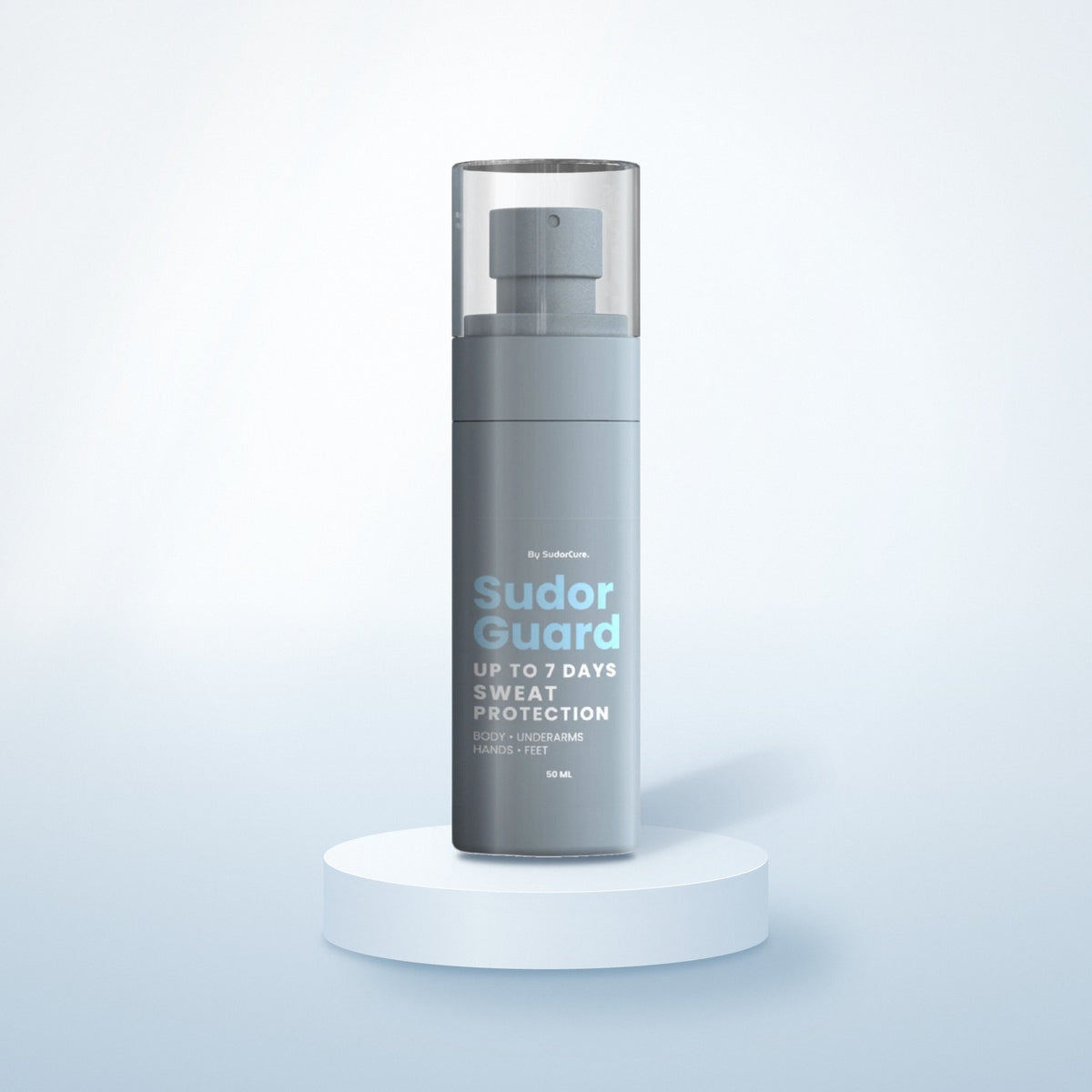
For mild underarm sweating, start with a clinical-strength antiperspirant used the right way: at night, on clean and completely dry skin. SudorGuard clinical-strength antiperspirant spray is $34.99 AUD. It forms a temporary gel plug in the sweat duct, and once it is working each application can help keep you drier for up to 5 to 7 days.
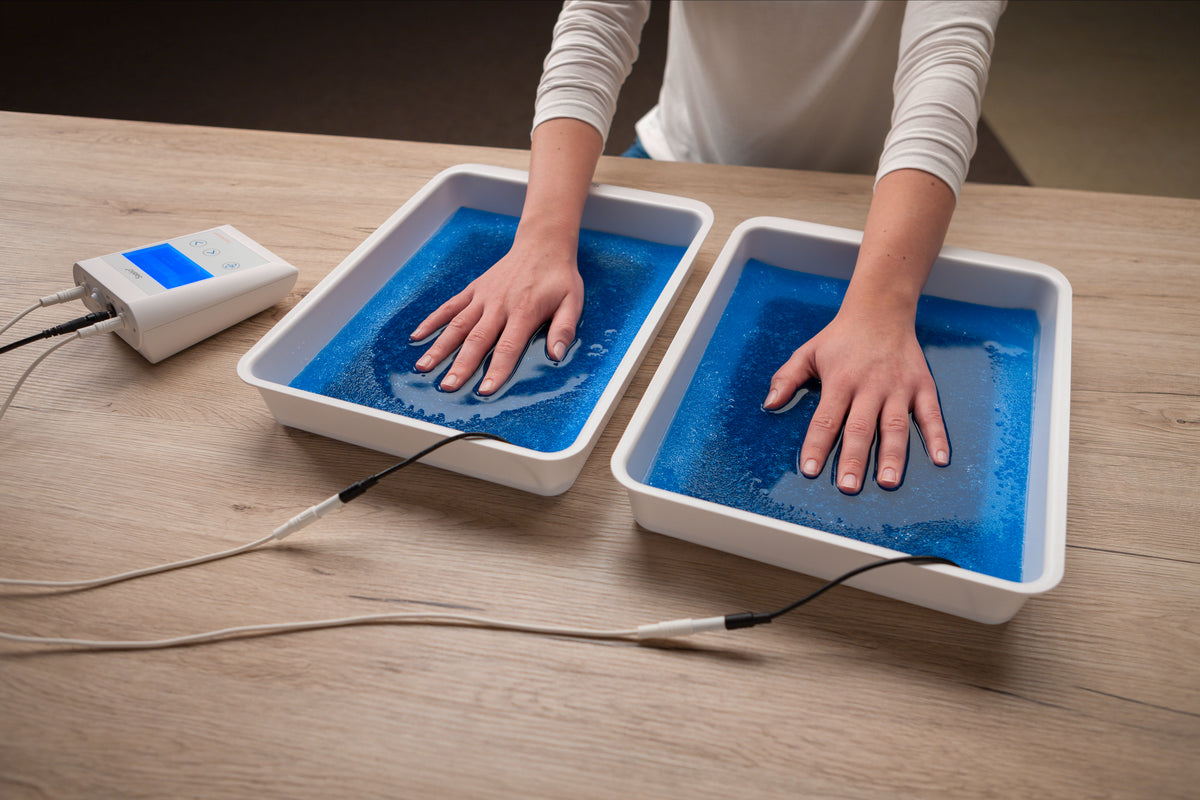
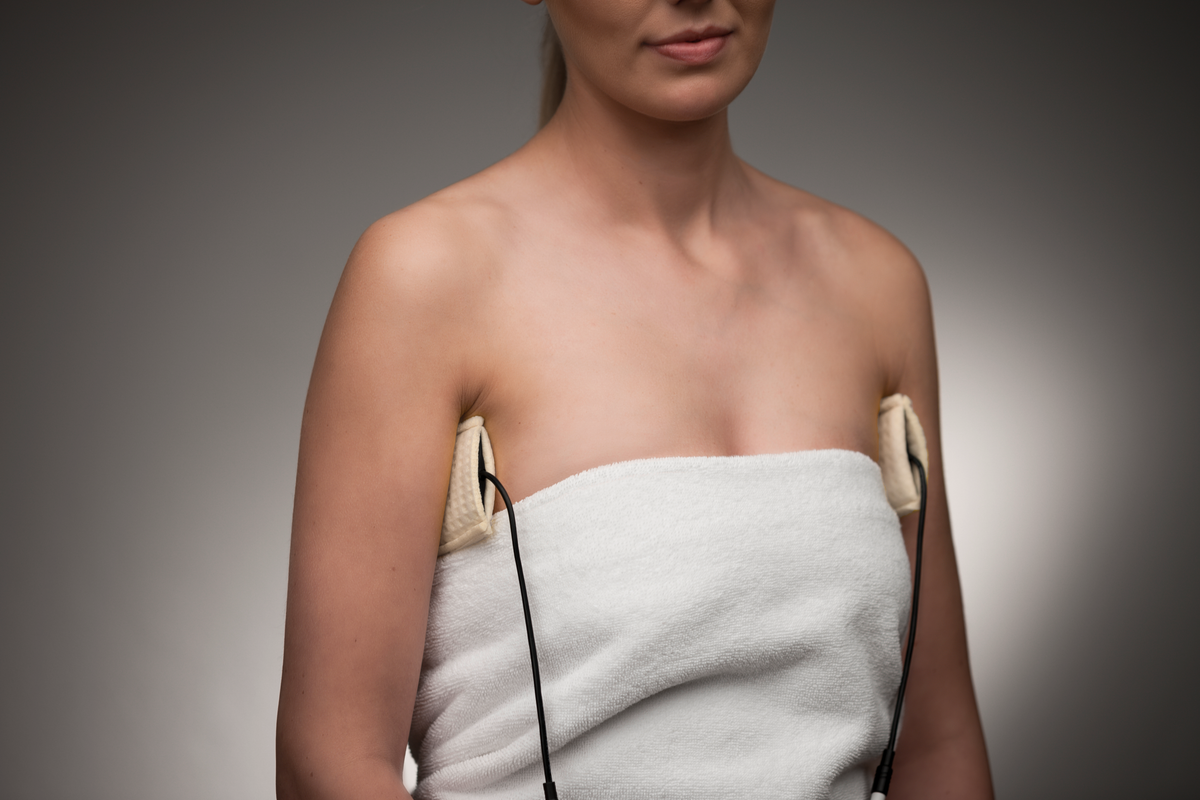
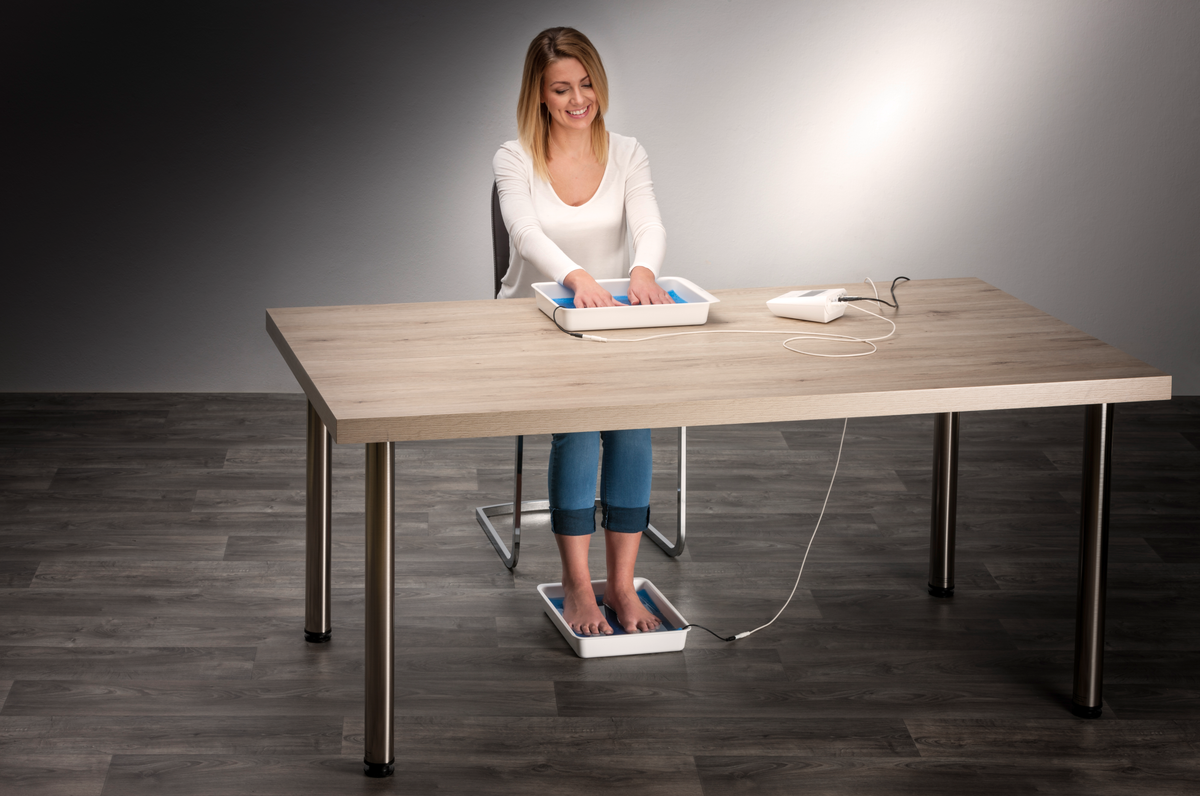
For moderate to severe sweating, iontophoresis is the next step. It works in a completely different way: a gentle current through tap water disrupts the nerve signalling to the sweat glands, with no blockage and nothing destroyed, and the effect is reversible. Iontophoresis is fully effective on its own, on the underarms as well as the hands and feet, and it does not need an antiperspirant alongside it.
In the initial phase, you treat at least every second day for at least 15 minutes per area. A first reduction is usually noticeable after 10 to 14 days, and a further 3 to 4 weeks of the same routine typically brings you to the level you want. After that, maintenance is typically once a week for 15 to 20 minutes, and some people can go weeks between sessions as their response builds over time.
Our guide to choosing an iontophoresis machine in Australia compares the Saalio® range, each a Class IIa medical device included in the ARTG. For underarms, the Saalio® AX Set is made for the job, and the 3-in-1 covers hands, feet and underarms.
How Does miraDry Compare With Botox and Surgery?
miraDry sits between Botox and surgery. Botox blocks the nerve signal to the glands for several months at a time, which means repeat injections and repeat costs. ETS surgery interrupts the nerve chain in the chest, and compensatory sweating elsewhere on the body is a common side effect. miraDry destroys the underarm glands themselves, with a recovery period but no general anaesthetic.
Each of these is a bigger step than treating at home, and each is harder to undo. Our guide to excessive sweating treatments compared lays all the options out side by side if you want the full picture before you decide.
Try Iontophoresis at Home First
If you are weighing up miraDry, it makes sense to give the non-invasive options a fair go first. You can try iontophoresis at home before you commit through the Try Before You Buy hire program: three weeks for $250 AUD or four weeks for $300 AUD, with no bond and no card on file. If you buy a Saalio® device within 30 days of returning the hire unit, your full hire fee comes off the price.
If you are not sure which option suits you, email us at hello@sudorcure.com. We are more than happy to help.
References
- Glaser DA, Coleman WP 3rd, Fan LK, et al. A randomized, blinded clinical evaluation of a novel microwave device for treating axillary hyperhidrosis: the Dermatologic Reduction in Underarm Perspiration Study. Dermatologic Surgery. 2012;38(2 Pt 1):185–191. https://doi.org/10.1111/j.1524-4725.2011.02250.x
- Hsu TH, Chen YT, Tu YK, Li CN. A systematic review of microwave-based therapy for axillary hyperhidrosis. Journal of Cosmetic and Laser Therapy. 2017;19(5):275–282. https://doi.org/10.1080/14764172.2017.1303168
- American Society for Dermatologic Surgery. Microwave thermolysis for excessive sweating. https://www.asds.net/Skin-Experts/Skin-Treatments/Microwave-Thermolysis-for-Excessive-Sweating
- Roychowdhury S, Scuderi S. Microwave-based therapy for axillary hyperhidrosis. Shanghai Chest. 2019;3:19 (editorial). https://shc.amegroups.org/article/view/4955/html
- Doolittle J, Walker P, Mills T, Thurston J. Hyperhidrosis: an update on prevalence and severity in the United States. Archives of Dermatological Research. 2016;308(10):743–749. https://doi.org/10.1007/s00403-016-1697-9
- DermNet. Hyperhidrosis. https://dermnetnz.org/topics/hyperhidrosis